How to Choose the Right Hydraulic Motor?
Picking the right hydraulic motor isn’t just about flipping through a catalog. It’s more of a field decision, based on factors like torque, speed, pressure, displacement, duty cycle, and installation constraints. Something that performs perfectly on a test bench might not do so well out in the real world—especially when oil temperature climbs, contamination sneaks in, or the load shifts unexpectedly.
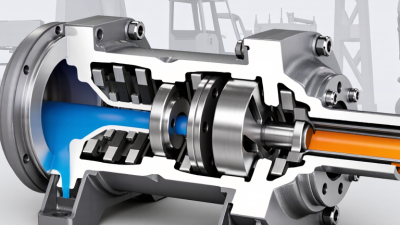
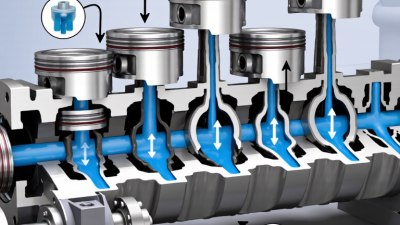
Dr. Noah D. Manring, a well-known researcher in hydraulic systems, sums it up nicely: “Efficiency isn’t just one number; it depends on how you’re actually using the system.” That’s an important nugget to keep in mind when comparing different types—gear, vane, radial piston, or axial piston motors. Each has its own trade-offs. A gear motor might be perfect for a compact conveyor, while a radial piston motor handles heavy, low-speed loads pretty well. An axial piston can power rugged, mobile equipment, but it often demands good filtration and precise control.
Start by assessing the real load.
Measure things like continuous torque, peak torque, operating speed, pressure, and flow availability. Don’t just rely on the marketing specs from big names like Bosch Rexroth, Danfoss, or Parker Hannifin. Pay attention to small details—things like case-drain requirements, mounting size, shaft loading, and service access. Overlooking these can bring a big machine to a halt.
You might see ads for a Hydraulic Motor High Torque Motor and think, “Wow, that’s what I need,” but honestly, just saying “high torque” doesn’t tell the whole story. A motor can give you a huge starting torque but still waste energy when running continuously—that’s a common mistake many make.
Don’t forget to factor in actual site conditions—dust, cold starts, shock loads, and poor maintenance can all throw off your initial choice. Also, think beyond just the purchase price; compare the lifetime costs. Sometimes, the most powerful motor isn’t the best pick. A smaller, well-matched motor might run cooler, last longer, and save you trouble down the road.
In the end, a good fit is measured by how many hours it can run reliably, how steady the movement stays, and how many surprises you avoid. It’s also smart to revisit your decision once everything’s installed—real machines often teach us lessons no spec sheet ever can.
Read more »