- Products & Solutions
- About VICKS
- News
- Contact
Leave Your Message
You know, the need for dependable and efficient fluid transfer solutions is pretty much a top priority across lots of industries these days. That’s why internal gear pumps are so important—they’re used everywhere from oil and gas to chemicals and even food processing. I came across a report from MarketsandMarkets that predicts the global market for these pumps will hit around $2.59 billion by 2025. And it’s growing at a steady pace—about 4.2% annually since 2020. A big reason for this growth? The increasing demand for precise fluid handling, especially in situations where high viscosity and pressure are involved.
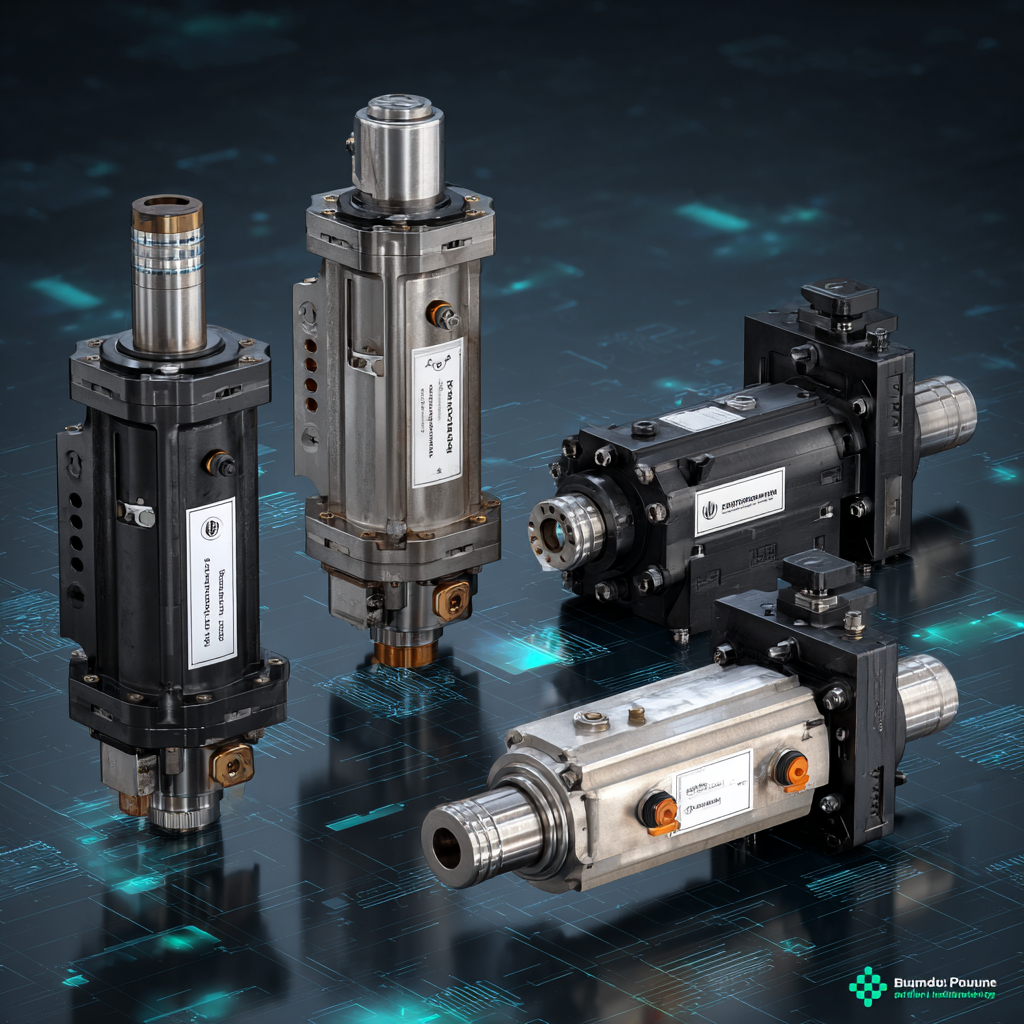
Looking ahead to 2025, we can expect some pretty cool innovations in internal gear pump technology. Not only will these upgrades boost their performance, but they'll also make them more energy-efficient and help cut down operational costs. Companies like Houttuin, Nikkiso, and Haldex are pouring money into R&D, trying to bring smart tech—think IoT and AI—right into their pumps. That means real-time monitoring, predictive maintenance—you name it. All of this just makes internal gear pumps even more of a go-to choice for modern industries. Talking about the top five internal gear pumps of 2025 gives us a glimpse into how the market's evolving and what exciting tech breakthroughs are shaping the future of fluid management.
In 2025, internal gear pump design is expected to embrace significant innovations, particularly within industrial applications. These advancements focus on enhancing efficiency, reliability, and ease of maintenance. With the increasing demand for precision and power in hydraulic systems, companies like Vickers Intelligent Equipment (Ningbo) Co., Ltd. are leading the charge with their state-of-the-art VG series high-pressure internal gear pumps. This groundbreaking technology not only optimizes performance but also delivers improved energy efficiency, making it ideal for various industrial sectors.
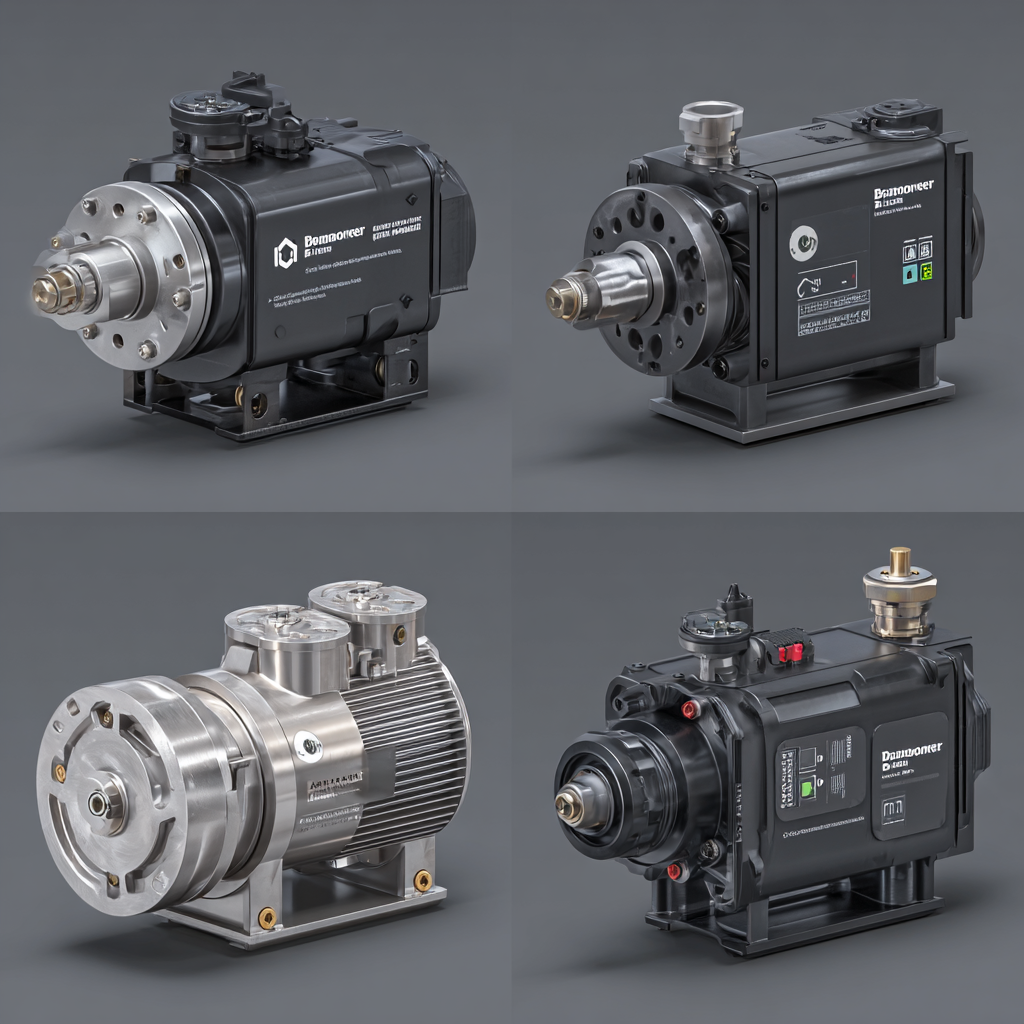
The introduction of smart technology and materials in internal gear pumps is also noteworthy. Innovations such as adaptive control systems and advanced sealing technologies are being integrated to extend the lifespan of pumps while reducing operational costs. Vickers, as a national high-tech enterprise recognized for its robust hydraulic expertise, is at the forefront of these developments. Their ABT series servo vane pumps exemplify the convergence of performance and innovation, setting new standards in the industry. The prospects for internal gear pumps in 2025 showcase a future where advanced designs will play a crucial role in shaping industrial efficiency and sustainability.
The demand for high-performance double vane pumps in the trucking industry is steadily increasing, driven by the need for enhanced efficiency and multitasking capabilities. The T6gcc, T67gcb, and T7gbb series of pumps epitomize this trend, providing innovative solutions for hydraulic systems that require precision and flexibility. The double pump construction, particularly in the T6GC series, allows for simultaneous operation of multiple hydraulic tasks, making it a preferable choice for truck applications that rely on efficiency and robust performance.
According to industry reports, hydraulic systems utilizing double vane pumps can achieve operational efficiencies of up to 30% compared to traditional systems. This is largely due to their design, which minimizes energy loss and enhances fluid flow dynamics. The advanced hydraulic performance provided by these pumps not only contributes to smoother operation but also results in reduced downtime and maintenance costs. As fleets look to optimize their hydraulic systems, the T6GC double pump stands out by not only boosting productivity but also supporting eco-friendly initiatives through improved fuel efficiency.
Furthermore, the versatility of the T67gcb and T7gbb series pumps ensures compatibility with a variety of applications, from construction trucks to specialized vehicles. By embracing these high-performance solutions, trucking companies can expect a significant return on investment through lower operational costs and increased reliability, substantiating the trend towards adopting double vane pump technology in the sector.
: The key innovations include enhancements in efficiency, reliability, and ease of maintenance, with a focus on integrating smart technology and advanced materials.
The VG series pumps optimize performance and deliver improved energy efficiency, catering to the growing demand for precision and power in hydraulic systems.
Sustainability is crucial as companies adopt eco-friendly practices and materials, reducing carbon footprints while enhancing product performance.
Vickers integrates sustainability into product innovation with designs like the VG series pumps and the ABT series servo vane pumps, focusing on efficiency and reduced energy consumption.
Important performance metrics include flow rate, pressure, energy consumption, and the ability to handle demanding fluids while maintaining a consistent output.
Digital monitoring technology provides real-time performance data, enabling users to optimize processes and predict maintenance needs accurately.
Consider the viscosity and chemical properties of the fluid, regularly evaluate performance metrics, and check for energy efficiency certifications.
Opting for gear pumps that offer superior energy efficiency will be critical for companies aiming to align with sustainability objectives and minimize operational costs.
In 2025, the landscape of internal gear pumps is set to evolve significantly, driven by innovative designs and sustainability trends. The article explores the top innovations in internal gear pump technology, highlighting advancements such as enhanced efficiency and performance metrics that are key to meeting industrial demands. Leading manufacturers, including Vickers Intelligent Equipment, known for their VG series high-pressure internal gear pumps and ABT series servo vane pumps, are at the forefront of this transformation, pushing the boundaries of hydraulic technology.
Furthermore, the article delves into the diverse industrial applications benefitting from gear pump technology, emphasizing the importance of internal gear pumps in driving efficiency and sustainability. As industries face new challenges, understanding the pivotal role of internal gear pumps will be crucial in navigating future developments and ensuring optimal performance across various sectors.