Picking the right Variable Speed Gear Pump can really make a difference in how well your system performs and how efficient it is. I remember John Smith, a well-known expert from GearPump Solutions, once saying, "Choosing the perfect Variable Speed Gear Pump means really understanding the specific needs of your application." That really shows how complex this whole decision can be.
In the world of industrial pumps, not all Variable Speed Gear Pumps are built the same. Every application has its own unique demands—some need to handle high-viscosity fluids, while others require flexible flow rates. Pinpointing these needs is super important, but honestly, a lot of people tend to overlook that.
Making a choice can get pretty overwhelming, right? You're probably asking yourself questions like: Which materials are best? What size do I need? What about control systems? It’s so easy to get lost in all the technical jargon and specs. But in the end, focusing on what *really* matters to your specific situation will help you make smarter decisions. Sure, balancing cost against reliability can sometimes mean compromises, but every choice should aim to improve the overall performance of your system.

Understanding the Functionality of Variable Speed Gear Pumps
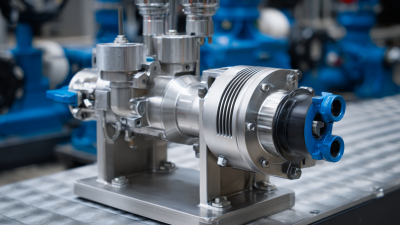
Variable speed gear pumps are essential in many industries. Understanding their functionality is key to successful applications. These pumps provide variable flow rates, allowing for greater control over processes. They adapt to different operational conditions, ensuring efficiency and reliability. This flexibility can lead to energy savings.
The heart of a variable speed gear pump is its ability to adjust speed dynamically. This means it can handle varying fluid viscosity effectively. Operators can fine-tune the flow to suit specific needs, which minimizes waste. Yet, this adjustability requires careful monitoring. An improper setup can lead to unwanted turbulence, impacting performance.
Installation and maintenance of these pumps must not be overlooked. They may require specialized knowledge for optimal performance. Regular checks can help identify issues before they escalate. Even the best pumps can fail if installation is rushed. Equipment neglect can ultimately affect productivity and cost-efficiency.
Top Tips for Choosing the Right Variable Speed Gear Pump
Identifying Key Applications for Variable Speed Gear Pumps
When selecting a variable speed gear pump, understanding its applications is essential. These pumps excel in tasks requiring precise flow control. Industries such as chemical processing and food production frequently use them. They adjust flow rates easily, catering to varying needs throughout the process.
Consider a food manufacturing plant. Variable speed gear pumps can accommodate different production rates with minimal downtime. As demand fluctuates, the pump's speed adjusts, ensuring efficiency. However, choosing the right pump involves careful consideration of viscosity and fluid dynamics. A mismatch here may reduce performance or lead to equipment failure.
Another key application is the automotive sector. Here, these pumps manage fluid transfer in systems like coolant and oil distribution. Their ability to maintain consistent pressure is crucial. Yet, inefficiencies may arise from improper calibration. Regular maintenance and testing become vital to improve reliability over time. Understanding these applications leads to better decision-making in selecting the ideal pump.
Assessing Flow Rate and Pressure Requirements
When selecting a Variable Speed Gear Pump, understanding flow rate and pressure requirements is crucial. The flow rate determines how much liquid can be moved through the system over time. Reports suggest that optimizing the flow rate can improve efficiency by up to 30%. It’s important to assess your specific application needs closely. Different industries may have varying demands; for example, chemical processing often requires precise flow control to ensure safety and stability.
Pressure requirements are equally important. Many systems function best under specific pressure ranges, and deviating from these can lead to inefficient operation. Studies indicate that operating outside recommended pressure limits can reduce pump life by 50%. Understanding your process conditions and the characteristics of your fluid can guide your choice of pump.
Remember, not all Variable Speed Gear Pumps perform equally in diverse environments. Some may struggle under high viscosity or changing temperature conditions. Conducting comprehensive testing in real-world scenarios should be a priority. In the long run, this proactive approach can prevent costly downtime and ensure reliability in your operations.
Evaluating Material Compatibility for Pump Components
When selecting a variable speed gear pump, evaluating material compatibility is essential. The pump components often encounter various fluids. Each fluid can react differently with materials, which can lead to pump failure if not considered. Using materials that withstand specific chemicals is crucial, as it protects the integrity of the pump system.
An effective approach is to analyze the properties of both the fluid and the materials. Some materials may provide resistance to corrosion, while others might not. For example, rubber seals can degrade quickly in certain oils. It's important to consult technical data sheets, which provide crucial information on compatibility.
Testing material samples can reveal weaknesses in different environments. Sometimes, even manufacturers may overlook certain combinations. This can lead to unexpected failures. Regular inspections and assessments can help catch issues early. Using a Variable Speed Hydraulic Motor can optimize performance, but only if the materials are right. Always keep in mind that the right choice in materials can extend the lifespan of your pump.
Considering Energy Efficiency in Pump Selection
When selecting a variable Speed Gear Pump,
energy efficiency plays a crucial role.
A pump’s design significantly impacts its energy consumption.
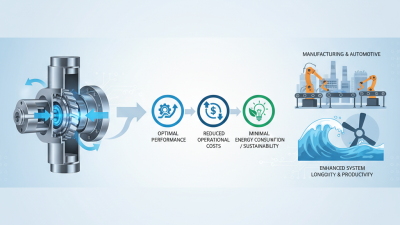
Efficient pumps reduce operational costs and minimize environmental impact.
Users should consider the pump’s specific energy requirements and how they align with operational goals.
Variable speed gear pumps often allow for better control over flow rates.
This adaptability can lead to more efficient energy use.
A well-chosen pump can save a significant amount of energy over time.
However, not every option will suit every application.
It's vital to balance potential savings with the demands of the system.
Working with energy-efficient designs often requires careful evaluation.
A pump that looks good on paper may not perform well in practice.
Testing different models can reveal efficiency gaps.
Continuous monitoring after installation is essential for long-term energy savings.
Awareness of the pump's performance ensures that adjustments can be made.
Reviewing Maintenance and Lifecycle Costs
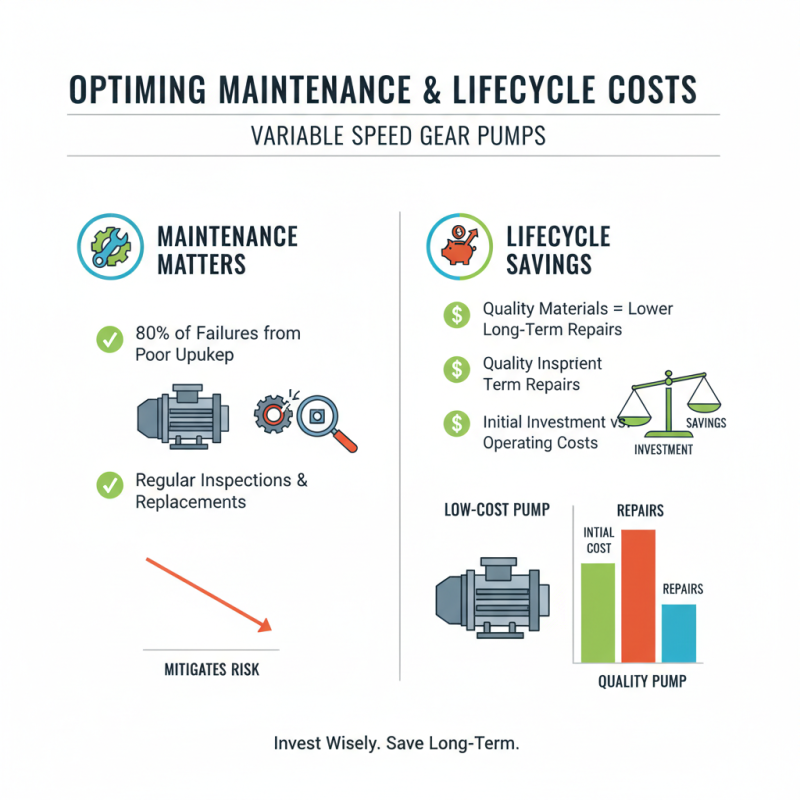
Choosing the right variable speed gear pump requires a deep understanding of both its maintenance needs and lifecycle costs. Reports indicate that up to 80% of pump failures stem from inadequate maintenance. Regular inspections and timely replacements of components can mitigate risk significantly. Investing in quality materials during the initial purchase could potentially lower long-term repair expenses.
When evaluating lifecycle costs, consider total ownership costs beyond just the purchase price. Many experts recommend calculating these costs over a typical operational period, usually five to ten years. You might want to take into account energy consumption, which can account for up to 90% of total costs in some applications. This reinforces the need for efficient pump designs that match your specific workflow demands.
**Tip:** Always assess your operational environment before choosing a pump. This includes temperature fluctuations and the nature of the fluids being handled. **Tip:** Regular training for staff on maintenance practices can extend the life of your pump. Reflecting on these nuances allows for informed decisions that prioritize sustainability and efficiency.
Examining Manufacturer Reputation and Support Services
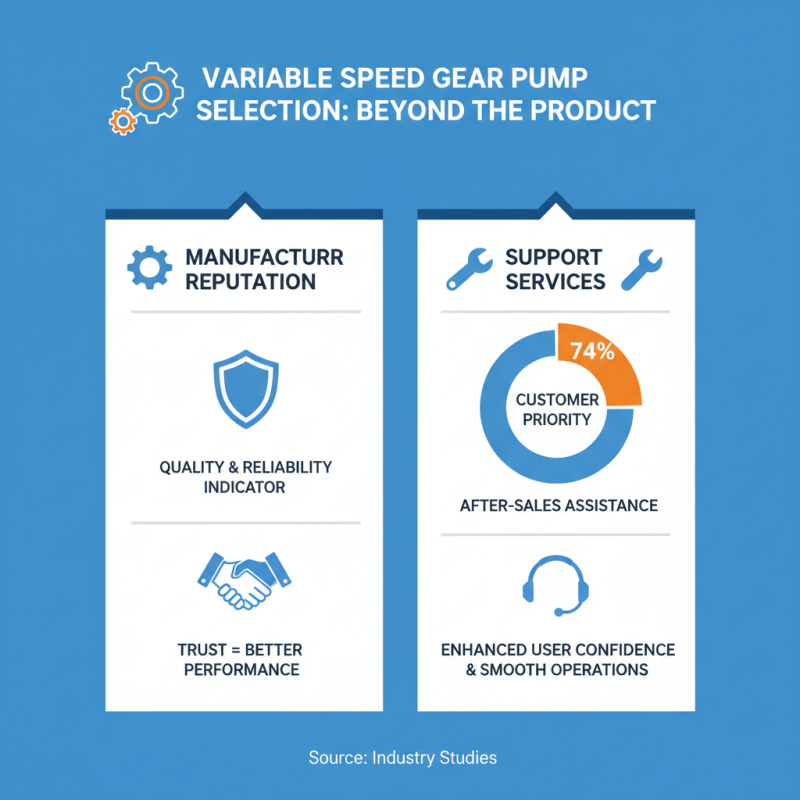
When selecting a variable speed gear pump, it's crucial to consider the manufacturer's reputation and support services. A reputable manufacturer often indicates quality and reliability. Industry studies show that nearly 74% of customers prioritize after-sales support when choosing a pump. Effective customer service can enhance user confidence and ensure smooth operations.
Support services can play a significant role in minimizing downtime. Various reports highlight that less than 5% of businesses actively seek immediate technical help. This gap illustrates a lack of awareness about the importance of ongoing support. A manufacturer known for stellar customer service often offers comprehensive guides, training, and timely assistance.
Research indicates that quality support can increase the lifespan of equipment by 30%. Brands recognized for their after-sales care tend to instill trust. Reflecting on this, users must ask if they truly understand the support structure behind their choice. The right variable speed gear pump should pair high-quality performance with solid manufacturer backing to maximize efficiency.
High-Performance Solutions: Exploring the T6 T7 Series Hydraulic Vane Pumps for Advanced Fluid Power Applications
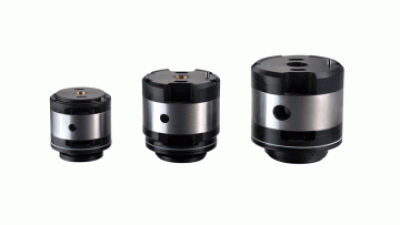
The T6 and T7 series hydraulic vane pumps represent a significant advancement in fluid power technology, tailored for high-performance applications. Designed to optimize efficiency in demanding environments, these pumps offer exceptional reliability, ensuring that they can operate effectively under various pressures and flow requirements. The innovative cartridge design of the T6/T7 series simplifies the replacement process, making maintenance straightforward while minimizing downtime in operational settings.
The superior performance of the T6 and T7 series is underpinned by their robust engineering and advanced materials. These pumps are crafted to withstand the rigors of heavy-duty applications, delivering consistent output and longevity. Users can expect enhanced operational performance, translating into improved productivity and efficiency in fluid power systems. The T6/T7 series stands as a smart choice for those seeking dependable hydraulic solutions without compromising on quality. Whether in industrial machinery or mobile equipment, these pumps are poised to exceed expectations, ensuring seamless fluid power operations.
FAQS
: Up to 80% of pump failures are due to inadequate maintenance. Regular inspections are vital.
Consider total ownership costs over five to ten years, not just the purchase price.
Energy consumption can account for up to 90% of total costs in some applications.
A reputable manufacturer often indicates higher quality and reliability for pumps.
Effective after-sales support minimizes downtime and enhances user confidence significantly.
Regular training for staff can extend the lifespan of the pump substantially.
Less than 5% of businesses seek immediate technical help, showing a lack of awareness.
Good support can increase lifespan by up to 30%, fostering trust with users.
Users should consider if they understand the manufacturer's support structure fully.
Conclusion
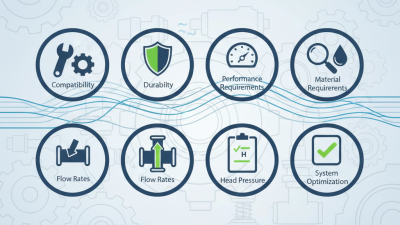
Choosing the right Variable Speed Gear Pump involves understanding its functionality and identifying its key applications. These pumps are often utilized in various industries due to their ability to maintain consistent flow rates and pressures, making it crucial to assess specific flow and pressure requirements before selection. Additionally, evaluating material compatibility for pump components is essential to ensure durability and efficiency in operation.
Energy efficiency, maintenance, and lifecycle costs should also be significant considerations during the selection process. A pump that operates efficiently can lead to long-term savings, while understanding the maintenance requirements helps in planning for downtime. Finally, examining the manufacturer's reputation and support services can provide insights into reliability and quality, ensuring that the Variable Speed Gear Pump chosen meets current and future needs effectively.