Leave Your Message
0%

In the fast-changing world of industrial performance, it’s never been more important to focus on precision and reliability. High Precision Piston Pumps are pretty much essential across a bunch of different industries — whether it’s making cars or producing pharmaceuticals — because they ensure fluids are delivered consistently, with hardly any variation.
Why High Precision Piston Pumps Are Essential for Optimal Industrial Performance

I recently read a report by MarketsandMarkets, and it’s wild to think that the market for these pumps could hit around 3.2 billion dollars by 2025. That growth is mainly thanks to tech improvements and the rising push for automation in factories.

Understanding the Mechanics of High Precision Piston Pumps

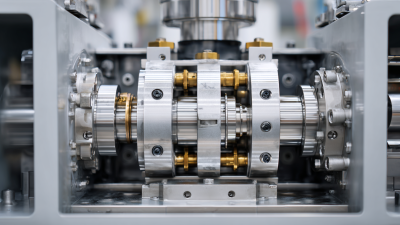
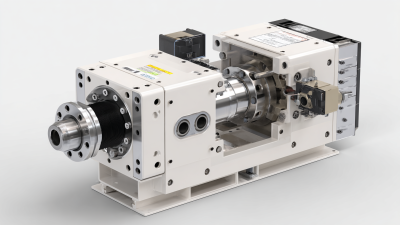
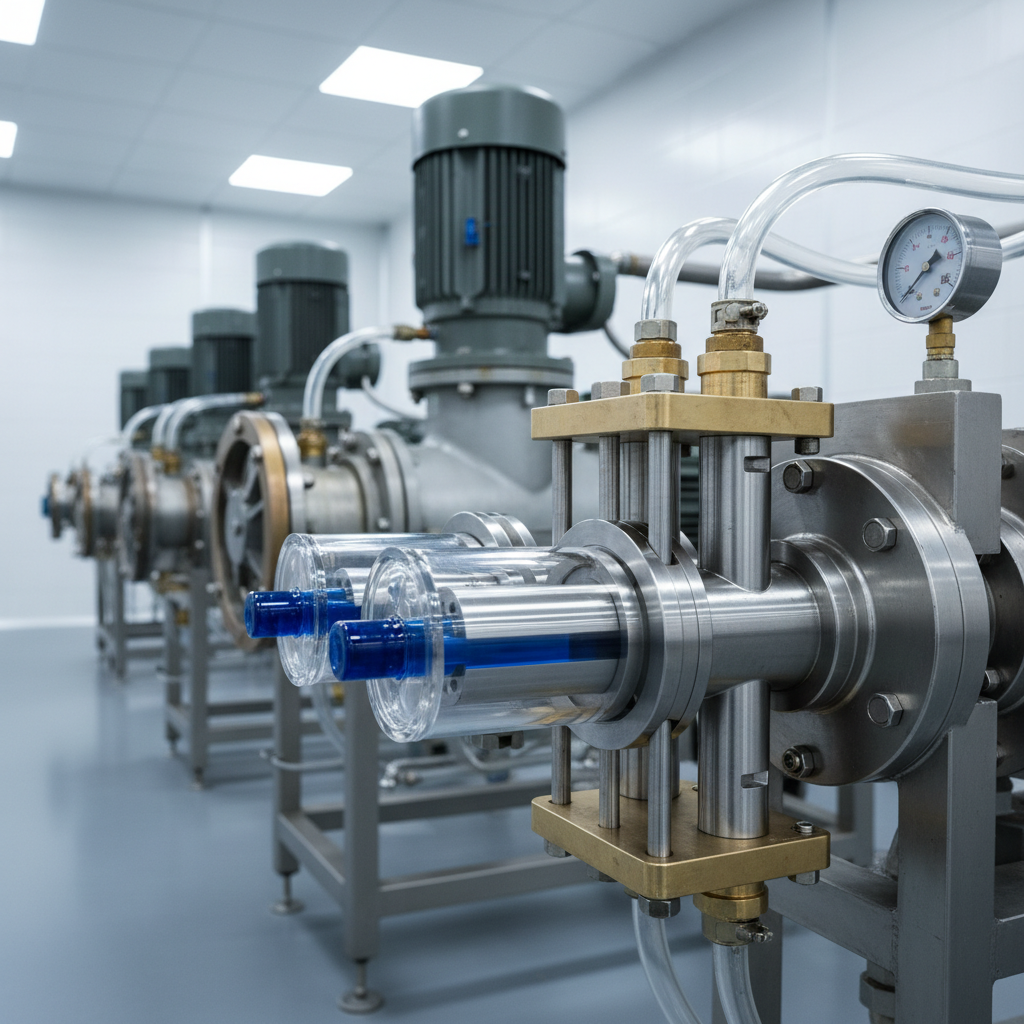
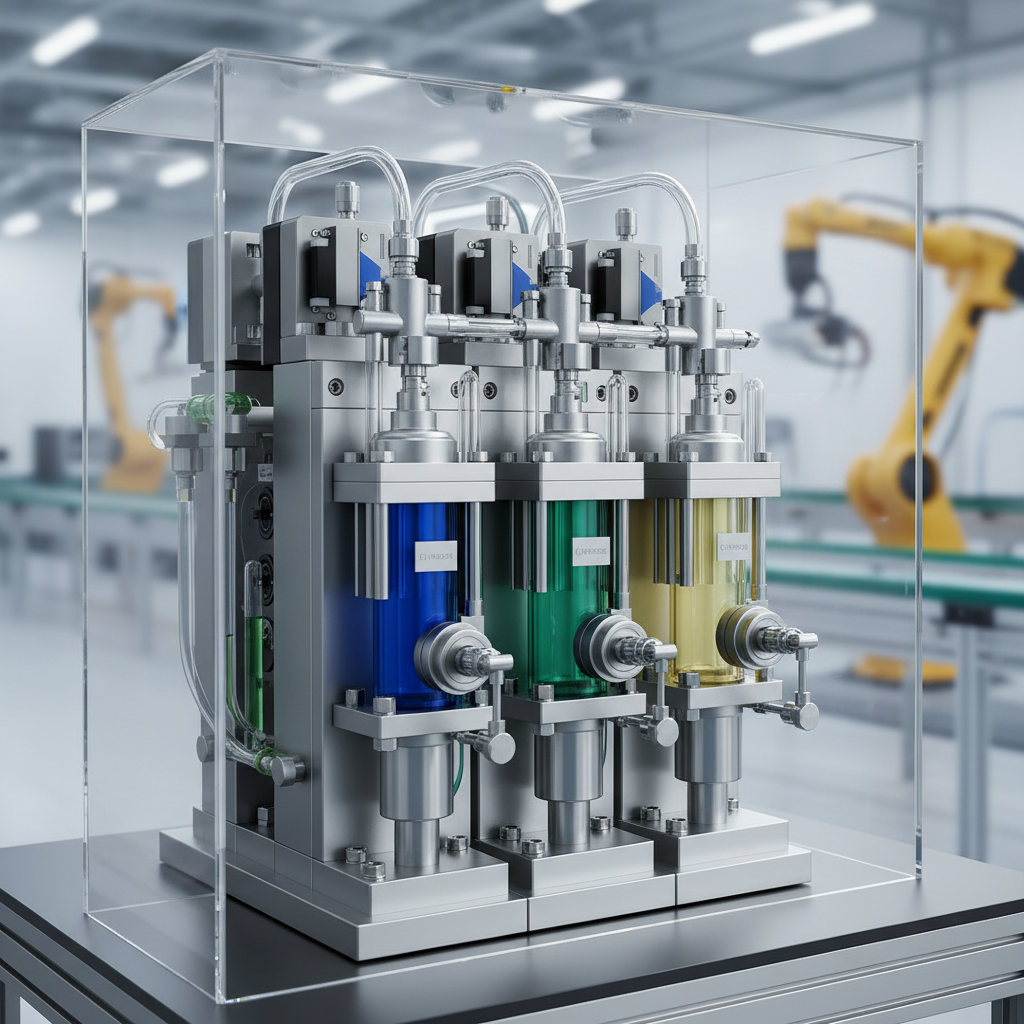
High precision piston pumps are integral to optimizing industrial performance due to their unparalleled efficiency and reliability. These pumps operate by utilizing a piston mechanism, which allows them to deliver precise volumes of fluid with minimal variance. This accuracy is crucial in applications where exact fluid delivery is necessary, such as in pharmaceuticals and automotive manufacturing. The mechanics behind these pumps involve a carefully designed cylinder and piston, where the movement of the piston creates a high degree of control over fluid flow.

Tips: When operating high precision piston pumps, it’s essential to regularly maintain the seals and piston components. This ensures that the accuracy of the pump is preserved over time. Additionally, using the appropriate lubricants can significantly enhance the performance and lifespan of the pump, reducing the likelihood of breakdowns.

Moreover, the efficiency of high precision piston pumps can be influenced by the selection of the right pump size and configuration for specific tasks. Understanding the required flow rates and pressure can help in choosing a pump that best meets operational needs. Through a thoughtful approach to pump selection and maintenance, industries can harness the full potential of these advanced systems for improved productivity and reduced costs.

Key Benefits of High Precision Piston Pumps in Industrial Applications

High precision piston pumps play a pivotal role in enhancing industrial performance across various sectors. Their ability to deliver consistent and reliable fluid flow under high pressure makes them essential for applications demanding exacting levels of accuracy. According to a recent market report by Grand View Research, the global hydraulic pump market is expected to exceed USD 52 billion by 2027, highlighting the growing reliance on advanced pumping technologies to meet increasing industrial demands. High precision piston pumps significantly contribute to this growth through enhanced energy efficiency and reduced operational costs.

Moreover, the key benefits of high precision piston pumps extend to their versatility and adaptability in numerous applications, including manufacturing, construction, and oil exploration. These pumps are capable of handling various fluids, including harsh chemicals and viscous materials, without compromising performance. At Vickers Intelligent Equipment, we leverage our 18 years of hydraulic technology expertise to develop cutting-edge solutions, such as the VG series high-pressure internal gear pumps and the world-first ABT series servo vane pumps, ensuring that our clients benefit from the latest advancements in pumping technology to optimize their industrial operations.

Impact of High Precision Piston Pumps on Industrial Performance

Comparative Analysis: Piston Pumps vs. Other Pump Types

Why High Precision Piston Pumps Are Essential for Optimal Industrial Performance

When evaluating various pump types for industrial applications, high precision piston pumps stand out due to their efficiency and reliability compared to alternatives such as centrifugal and diaphragm pumps. According to the Hydraulic Institute, piston pumps can achieve an average efficiency of up to 90%, significantly higher than centrifugal pumps, which typically range between 50-80%. This high efficiency translates directly into reduced operational costs and enhanced performance, making piston pumps vital in processes requiring precise fluid delivery and control.

Another key factor in the comparative analysis is the ability of piston pumps to handle a variety of fluids, including highly viscous and abrasive materials. A report by the International Pump Users Group indicates that piston pumps are preferred in sectors like oil and gas and chemical processing, where the need for robustness and precision is paramount. In contrast, diaphragm pumps can struggle with viscosity variations, leading to inconsistent flow rates and potential operational disruptions.

Tips for Choosing the Right Pump:
1. Assess the specific viscosity and nature of the fluid to determine if a piston pump is suitable for your application.
2. Consider maintenance requirements; while piston pumps offer high performance, they may require more periodic maintenance compared to simpler pump types.
3. Evaluate total cost of ownership, factoring in not just the purchase price but also energy efficiency and downtime costs associated with potential alternatives.

Industrial Sectors That Benefit Most from Precision Pump Technology

High precision piston pumps play a pivotal role across various industrial sectors, particularly in manufacturing, pharmaceuticals, and food processing. According to a report by MarketsandMarkets, the global industrial pump market is projected to reach USD 93.48 billion by 2027, reflecting the continued reliance on advanced pumping technologies. Pharmaceutical manufacturers, for instance, rely heavily on accurate dosing and reliable performance to maintain stringent quality standards. A study published in the Journal of Pharmaceutical Innovation highlights that precise delivery of active ingredients can enhance product efficacy and reduce waste, which is critical in an industry where margin for error is minimal.

In the food processing sector, high precision pumps ensure that products are mixed and conveyed uniformly, preserving quality and taste. The Food and Drug Administration (FDA) mandates strict regulations that these industries must meet, making the accuracy of pumping systems essential not only for compliance but also for maintaining consumer trust. According to the 2020 Food Processing Equipment Market Report, industries that utilize precision pump technology have seen a 20% reduction in product recalls due to contamination or incorrect formulations.

Tips: When selecting a precision pump, consider the fluid characteristics and specific application requirements, as this will enhance overall system performance. Regular maintenance and calibration are also vital to ensure that your pump operates within its optimal range, minimizing downtime and operational costs.

Challenges in Maintaining High Precision in Piston Pumps

High precision piston pumps play a critical role in various industrial applications, yet maintaining their precision can be fraught with challenges. According to a recent report by the International Society for Measurement and Control, over 30% of industrial downtime is attributed to equipment failures linked to precision loss. This statistic underscores the need for continuous monitoring and maintenance practices, as even slight deviations in piston alignment can lead to significant inefficiencies and costly operational interruptions.

One major challenge in maintaining high precision is the wear and tear of the pump components. The American Society of Mechanical Engineers (ASME) reports that improperly lubricated piston pumps can experience a 25% drop in efficiency within just a few weeks of operation. This degradation can result from contaminants in the fluid, inadequate lubrication protocols, or suboptimal temperature control, all of which need rigorous management to ensure that the pumps operate at their intended precision levels. Regular inspections and utilization of advanced materials designed for wear resistance are essential strategies to mitigate these challenges, ultimately ensuring the longevity and efficiency of piston pumps in industrial settings.

Future Innovations in High Precision Piston Pump Technology

The future of high precision piston pump technology is poised for significant innovations that will redefine industrial performance. According to a recent market analysis by Research and Markets, the global piston pump market is expected to grow at a CAGR of 5.3% from 2023 to 2028, driven by advancements in materials and design. These innovations aim to enhance the efficiency and accuracy of fluid handling applications, which are critical in industries such as pharmaceuticals, food processing, and petrochemicals.

One notable trend is the integration of IoT (Internet of Things) technology, which allows for real-time monitoring and predictive maintenance of piston pumps. With the ability to analyze operational data and detect anomalies, manufacturers can minimize downtime and boost overall productivity. Moreover, advancements in manufacturing processes are leading to lighter and more durable materials that increase the lifespan of pumps while reducing energy consumption. According to a report by MarketsandMarkets, energy-efficient piston pumps can save up to 20% in operational costs, underscoring the importance of innovation in this sector. As these technologies evolve, high precision piston pumps will continue to be essential for achieving optimal industrial performance and sustainability.

Why High Precision Piston Pumps Are Essential for Optimal Industrial Performance - Future Innovations in High Precision Piston Pump Technology

Feature Importance Future Innovations
Precision Control Ensures accurate fluid delivery and process reliability Advanced sensors for real-time monitoring
Durability Reduces downtime and maintenance costs Innovative materials to enhance longevity
Efficiency Maximizes output with minimal energy consumption Smart optimization algorithms to enhance performance
Versatility Adapts to various industrial applications Modular designs for easy reconfiguration
Compact Design Saves space in industrial settings Integration of micro-pump technologies

FAQS

: What are the key benefits of high precision piston pumps in industrial applications?

: High precision piston pumps offer reliable fluid flow under high pressure, enhanced energy efficiency, reduced operational costs, and versatility in handling various fluids, making them essential for industries requiring accuracy.

How do high precision piston pumps compare to other pump types in terms of efficiency?

Piston pumps achieve an average efficiency of up to 90%, significantly higher than centrifugal pumps, which typically range between 50-80%. This efficiency leads to lower operational costs and improved performance.

What types of fluids can high precision piston pumps handle?

High precision piston pumps can handle a variety of fluids including harsh chemicals, viscous materials, and abrasive substances, making them ideal for sectors such as oil and gas and chemical processing.

What should be considered when choosing the right type of pump for an application?

It is important to assess the viscosity and nature of the fluid, consider maintenance requirements, and evaluate the total cost of ownership including purchase price, energy efficiency, and potential downtime costs.

Which industrial sectors benefit the most from precision pump technology?

Key sectors include manufacturing, pharmaceuticals, and food processing, where accurate dosing, reliable performance, and compliance with regulations are critical.

How do high precision piston pumps help in the pharmaceutical industry?

They ensure accurate dosing and reliable performance, which are vital for maintaining strict quality standards and enhancing product efficacy while minimizing waste.

What impact do high precision pumps have on the food processing industry?

These pumps ensure uniform mixing and conveyance of products, preserving quality and taste, and have helped reduce product recalls due to contamination by 20% in industries utilizing precision pump technology.

What role does maintenance play in the performance of high precision piston pumps?

Regular maintenance and calibration are essential to ensure pumps operate within their optimal range, minimizing downtime and operational costs while maximizing performance.

Conclusion

High precision piston pumps play a critical role in enhancing industrial performance by ensuring accurate fluid delivery and maintaining optimal operational efficiency. Understanding the mechanics behind these pumps reveals their advantages over other types, such as superior pressure control and compact design. Industries ranging from manufacturing to automotive benefit significantly from this precision technology, as it enhances productivity and reduces wastage.

However, maintaining high precision in piston pumps poses challenges, including wear and tear over time and the necessity for regular maintenance. As technology evolves, future innovations in high precision piston pump designs promise improved durability and efficiency. Companies like Vickers Intelligent Equipment (Ningbo) Co., Ltd., with their extensive experience in hydraulic technology, are at the forefront of these advancements, ensuring that high precision piston pumps remain essential for optimal industrial performance.
Emma

Emma

Emma is a dedicated marketing professional at VICKS Intelligent Equipment, a wholly-owned subsidiary of Ningbo VICKS Hydraulic Co., Ltd. With 18 years of deep expertise in hydraulic technology, Emma possesses an exceptional understanding of the company’s innovative products, particularly the vg......
Previous Unlocking Efficiency: The Essential Guide to Rotary Vane Pumps for Industrial Applications