Picking out a high-quality hydraulic vane pump is pretty important if you're into industrial stuff. I read somewhere—TechNavio, I think—that the global market for hydraulic pumps is expected to grow about 4% each year. That just shows how much everyone’s really into efficient hydraulic systems these days. A lot of industries, like construction and manufacturing, depend heavily on these pumps to get things moving.
John Smith, who knows his way around hydraulic systems at Hydraulic Solutions Inc., mentioned something I think we can all agree on: "Choosing the right hydraulic vane pump can really make a difference in how smoothly operations go." It kinda highlights how important it is to really understand what your specific needs are before making a pick. Vane pumps, for example, often work better than gear pumps in certain situations.
That being said, not all hydraulic vane pumps are created equally. Making a bad choice can lead to delays and end up costing you more money in the long run. It’s super important to look at factors like pressure limits, flow rates, and what the pump is made of. Even the top-notch pumps won’t fit every situation perfectly, so it’s worth doing your homework and thinking things through carefully to get the best results.
Understanding Hydraulic Vane Pumps: Basics and Applications
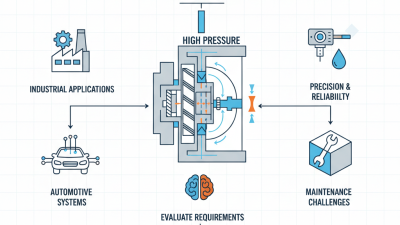
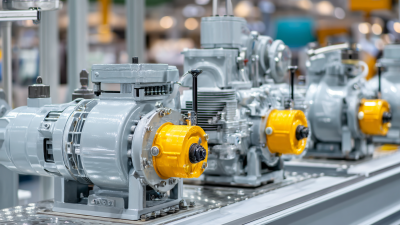
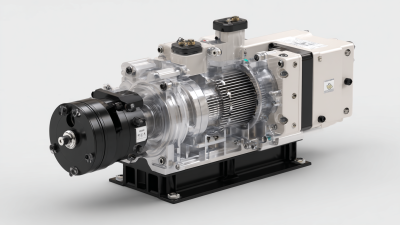
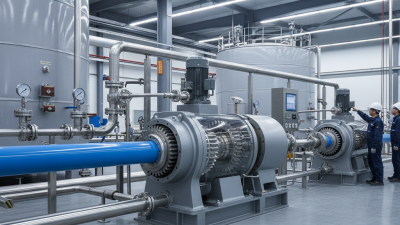
Hydraulic vane pumps are essential in various industrial applications. They convert mechanical energy into hydraulic energy. Understanding their basics helps you select the right model for your needs. They are often chosen for their efficiency and reliability.
Consider the flow rate. This dictates how much fluid the pump can move in a given time. Different applications require different flow rates. If you underestimate this, your system may underperform. Look for specifications that match your project's demands.
**Tips:** Always check the operating pressure. If the pump can't handle the pressure, it may fail quickly. Think about serviceability. A pump that's hard to maintain can lead to downtime. Also, remember to compare with alternatives like gear pumps and piston pumps.
Material quality matters too. Pumps made of durable materials last longer. However, the initial cost may be higher. It's a balance between cost and performance. Reflect on whether the upfront expense aligns with your long-term benefits.
Hydraulic Vane Pump Performance Characteristics
Key Factors to Consider When Choosing a Vane Pump
Choosing the right Hydraulic Vane Pump requires careful consideration of various factors. The first aspect is the pump's flow rate, which directly affects performance. It’s vital to match the pump's flow rate with your system requirements. Too high or too low can lead to inefficiencies. Check the manufacturer's specifications closely before making a decision.
Another significant factor is the operating pressure. Ensure that the hydraulic vane pump can handle the maximum pressure your application may require. Some pumps handle pressure differently, causing performance hiccups or premature failure. Think about the environmental conditions too. Factors such as temperature and fluid type can impact the pump's longevity.
Let’s not ignore the size and installation space either. Compact designs may seem appealing, but they can also limit functionality. Often, users overlook the maintenance needs as well. Some pumps require regular servicing, while others are low maintenance. Analyze your operational capacity when choosing. Weigh these elements carefully to avoid costly mistakes down the line.
Evaluating the Quality of Hydraulic Vane Pumps: What to Look For
When choosing a hydraulic vane pump, quality is the key. Look for materials that resist wear and corrosion. Cast iron or aluminum alloy cases often ensure durability. Pay attention to the rotor design; it should provide a smooth and efficient flow. Check the tolerances between parts to avoid leaks and inefficiencies. Small errors in manufacturing can lead to significant issues.
Next, consider the performance specifications. Operating pressure and flow rate are crucial. Ensure the pump can handle your specific needs. A pump rated for higher pressure can provide a safety margin. Test results should be available. If not, this may signal potential issues.
Also, observe the company’s reputation. A manufacturer with consistent quality control tends to deliver better products. Read customer reviews and seek valuable feedback. However, be aware that opinions vary widely. Don’t rely solely on one source. Instead, gather information from multiple channels for a rounded perspective.
Comparing Wholesale Suppliers for Hydraulic Vane Pumps
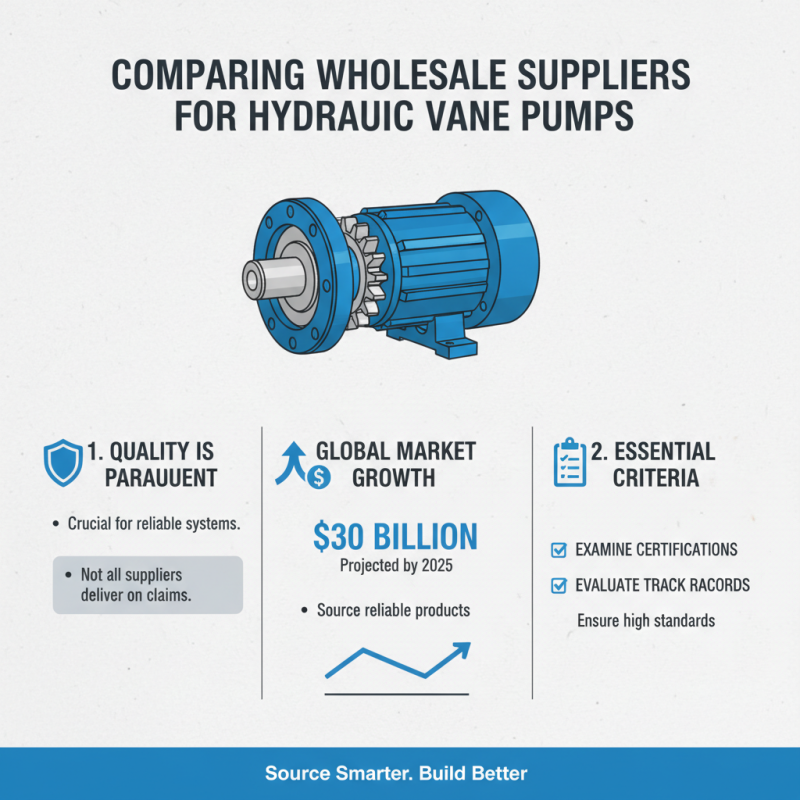
When selecting wholesale suppliers for hydraulic vane pumps, quality is paramount. Reports indicate that the global hydraulic pump market is projected to reach $30 billion by 2025. This growth highlights the importance of sourcing reliable products. Many suppliers claim high standards, but not all deliver. It’s essential to examine their certifications and track records.
Price comparisons can be misleading. A low price might indicate subpar quality. In a recent industry survey, 45% of companies experienced failures due to inferior hydraulic components. Vane Type Hydraulic Pumps often have a higher upfront cost but offer better efficiency and durability. A few dollars saved now can lead to costly repairs down the line.
Evaluating supplier relationships adds another layer of complexity. Personal connections can influence product quality. A study found that 68% of businesses prefer working with suppliers who provide regular updates and responsive support. This interaction is crucial in ensuring you choose the right wholesale supplier for your hydraulic vane pumps, fostering trust and reliability.
Understanding Specifications and Performance Ratings
When selecting a hydraulic vane pump, understanding its specifications is crucial. Hydraulic vane pumps are identified by flow rate and pressure ratings. Common flow rates range from 0.5 to 1,000 liters per minute. Pressure ratings often reach up to 300 bar or more. These numbers help determine the pump's suitability for various applications. However, performance can vary widely between different models.
Performance ratings also include efficiency benchmarks. The best
Rotary Vane Hydraulic Pumps can achieve efficiencies above 90%. Yet, certain models may fall short, ensuring you pay attention to specific reports and reviews. Always compare the efficiency curves of potential choices. Not all manufacturers provide detailed performance data, which can be a drawback.
Moreover, consider the operational environment. Some hydraulic vane pumps perform better under certain conditions. For instance, temperature and fluid viscosity can greatly affect pump efficiency. Be aware that what works well in one scenario may underperform in another. Investing time in understanding these aspects can significantly impact your choice of pump.
Assessing Compatibility with Existing Systems
Choosing a hydraulic vane pump requires careful assessment of compatibility with existing systems. Many industries rely on these pumps for various applications. According to recent industry reports, about
70% of pump failures arise from poor compatibility with surrounding machinery. This statistic highlights the critical nature of evaluating system requirements before purchasing.
When considering a hydraulic vane pump, examine parameters such as size, operating pressure, and fluid compatibility. A mismatch in these areas can lead to inefficiency and potential damage. For instance, selecting a pump with an inappropriate pressure rating may cause overheating or excessive wear. In fact, data shows that an estimated
30% of hydraulic system inefficiencies stem from incorrect pump installation.
It's vital to consult technical specifications and assess your system's unique needs. Pay attention to mounting options and connection types. In some cases, you may need to adapt existing components, which complicates installation. Keeping all these factors in mind can help you avoid costly mistakes. Always factor in both current and future system requirements to ensure long-term reliability.
Cost vs. Quality: Making the Right Investment in Vane Pumps
When selecting a hydraulic vane pump, the balance between cost and quality is crucial. According to industry research, over 30% of businesses report issues when prioritizing low-cost options. These problems often lead to increased downtime and costly repairs. Investing in high-quality pumps can prevent these pitfalls. For instance, a durable vane pump can last up to three times longer than a cheaper alternative.
Quality ensures efficiency and reliability. A study revealed that pumps made from superior materials perform at peak efficiency, reducing energy costs by as much as 20%. This speaks volumes in industries where energy expenses are significant. However, higher upfront costs can deter some buyers. They often overlook the long-term benefits. A top-quality vane pump may seem expensive initially, but it can save money over time through less maintenance and better performance.
Understanding your specific needs is essential. Not every application will require the highest tier of products. Some may find that mid-range pumps suit their operations perfectly. However, compromising too much on quality can lead to regrets down the line. Reflecting on this, it’s important to consider operational demands and budget constraints before making a decision.
Maximizing Efficiency: The Role of High-Performance VG Internal Gear Pumps in Advanced Servo Systems
High-performance VG internal gear pumps have emerged as a crucial component in advanced servo systems, driving significant improvements in operational efficiency and system reliability. These pumps excel in delivering high pressure while maintaining low noise and minimal pulsation, characteristics that are essential for precision applications. Recent industry reports indicate that integrating advanced pump technologies can reduce system energy consumption by up to 20%, highlighting the importance of selecting the right components for optimizing performance.
The VG series pumps, designed through a collaboration between leading engineering organizations, leverage advanced German technology tailored to meet modern industrial demands. The emphasis on high-performance outcomes has led to the development of pumps adept at supporting sophisticated servo systems, which require consistent and reliable fluid power delivery. With their capability to handle a variety of hydraulic fluids at optimal conditions, VG pumps help in reducing operational costs over time, reinforcing their value in competitive markets.
Additionally, the incorporation of cutting-edge production and testing equipment during the manufacturing process ensures that each pump meets stringent quality standards. This results in enhanced durability and a longer lifespan, making VG series pumps an ideal choice for industries where equipment reliability and performance are paramount. With such advancements in internal gear pump technology, businesses can confidently invest in solutions that deliver maximum efficiency and exceptional operational capabilities.
FAQS
: Quality is crucial. Reliable products prevent failures and ensure better performance.
Low prices often correlate with poor quality. Subpar components can lead to expensive repairs later.
Many companies experience failures. Reports show that 45% of failures stem from inferior hydraulic components.
Strong relationships foster trust. Regular updates and responsive support are vital for successful partnerships.
Look at flow rates and pressure ratings. These factors determine a pump's suitability for specific applications.
Performance can differ widely. Always check efficiency benchmarks to avoid poor performance.
Environment matters. Temperature and fluid viscosity significantly influence pump efficiency.
Efficiency curves reveal performance differences. Not all manufacturers provide detailed data, which can be problematic.
Pumps may operate differently in varying conditions. What works in one environment might fail in another.
Understand specifications and performance ratings. This knowledge impacts your final choice and overall efficiency.
Conclusion
When selecting a wholesale hydraulic vane pump, it's essential to understand the basic principles and diverse applications of these pumps. Key factors to consider include the pump's specifications, performance ratings, and compatibility with existing systems. Assessing the quality of hydraulic vane pumps involves examining construction materials and design efficiency.
Comparing various wholesale suppliers can ensure you find a product that meets your needs without sacrificing quality. It's also crucial to evaluate the balance between cost and quality, ensuring that the investment made aligns with your requirements and delivers long-term value. Ultimately, making an informed decision will facilitate optimal performance and reliability from your hydraulic vane pump.