Leave Your Message
0%

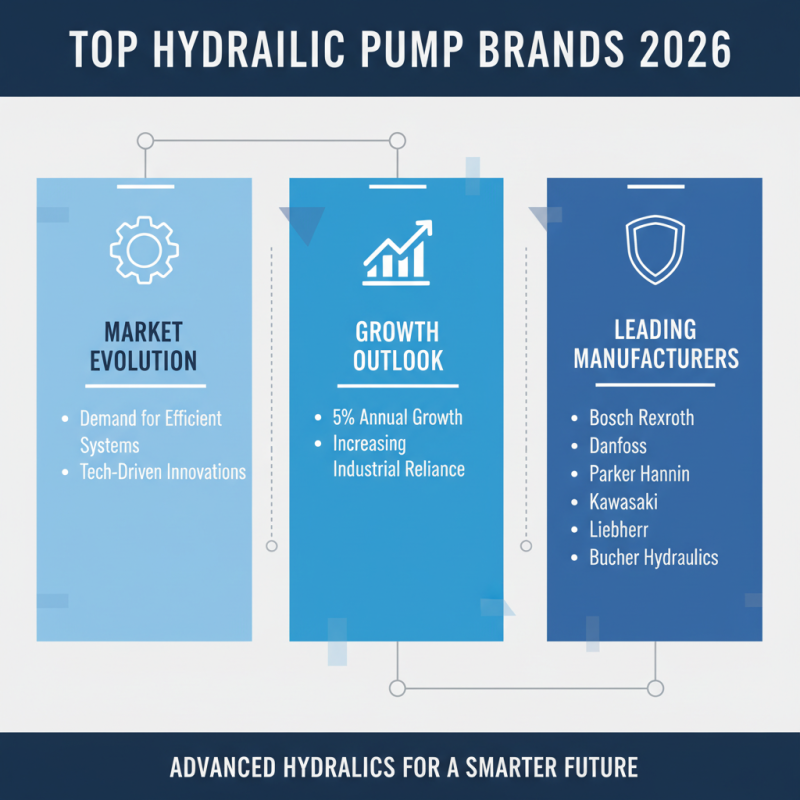
When it comes to industrial machinery, picking the right hydraulic pump can really make a difference in how well things run. If you’re looking at options for 2026, this guide’s got you covered with some useful insights on the best hydraulic pumps out there. Honestly, with so many brands on the market, it can feel like a bit of a overwhelm—trust me, I get it. Brands like Bosch Rexroth and Parker Hannifin definitely stand out because of their reliability and their knack for pushing innovation in hydraulic pump and motor tech.

When you're trying to figure out which pump to go for, it’s good to keep some key factors in mind—stuff like efficiency, durability, and whether it plays nicely with your existing systems. Different jobs might need different features, which can make the whole process a bit confusing. That’s why it’s really important to weigh the pros and cons carefully. There’s no magic one-size-fits-all answer here because every industry has its own unique needs, so chatting with an expert can really help sort things out.

Also, understanding the performance metrics and what manufacturers specify is super important—though, honestly, a lot of people overlook these details, and that can end up costing them in the long run. My goal here is to shed some light on those tricky points, so you’re armed with the right info to make smarter choices in this pretty crowded marketplace.
2026 Best Hydraulic Pump Options for Global Buyers?

Key Features to Consider in Hydraulic Pumps for Global Markets

Hydraulic pumps are essential in various industries. Understanding key features is crucial for global buyers. Performance, durability, and efficiency are significant factors to consider. According to a recent market report, the hydraulic pump market is projected to grow by 5% annually. This growth highlights the importance of selecting the right pump for specific applications.

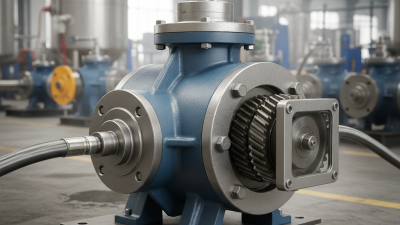
One vital feature is pump type. Gear pumps, piston pumps, and vane pumps each have unique applications and efficiencies. For instance, piston pumps typically offer higher pressure capabilities, making them suitable for heavy-duty machinery. Conversely, gear pumps are known for their simple design and reliability. Buyers should assess project demands before making a choice.

**Tip:** Always evaluate the required flow rate and pressure. This knowledge ensures the selection aligns with operational needs.

Another key consideration is maintenance and serviceability. Easy access to components can reduce downtime significantly. A survey revealed that 30% of operators face challenges in pump maintenance. Selecting pumps with straightforward maintenance can enhance operational efficiency and reduce costs in the long run.

**Tip:** Consider the availability of replacement parts and service options in your region. This can make a big difference over time.

Types of Hydraulic Pumps Suitable for Various Applications

Hydraulic pumps are crucial for various applications across industries. Their efficiency directly impacts production and operational costs. A recent report indicates that nearly 50% of industrial machinery uses hydraulic systems. Understanding the types of hydraulic pumps available is essential for making informed purchasing decisions.

Gear pumps are a common choice for lightweight tasks. They provide high flow rates and are simple to maintain. Vane pumps, on the other hand, excel in applications requiring moderate pressure and consistent flow. Their design allows for quieter operation, making them ideal for environments where noise levels matter. Critical decisions about pump selection can save businesses time and money, especially when sourcing from manufacturers like Ningbo Vicks Hydraulic Hydraulic Pump Manufacturer.

Piston pumps offer high pressure and exceptional power, suitable for heavy-duty applications. However, they can demand higher maintenance due to more complex components. Understanding these nuances helps buyers choose the ideal pump type for their needs. Data suggests that, when considering hydraulic systems, about 20% of buyers struggle with maintenance issues later on. Prioritizing the right pump type minimizes these risks and enhances longevity.

2026 Best Hydraulic Pump Options for Global Buyers

Pump Type Maximum Pressure (psi) Flow Rate (GPM) Efficiency (%) Typical Applications
Gear Pump 4000 5-100 85 Agricultural Machinery, Manufacturing
Vane Pump 3000 2-60 80 Construction Equipment, Automotive
Piston Pump 6000 1-15 90 Machine Tools, Oil & Gas
Roller Pump 2500 10-150 75 Irrigation, Chemical Processing

Top Brands and Manufacturers for Hydraulic Pumps in 2026

2026 Best Hydraulic Pump Options for Global Buyers?

In 2026, the hydraulic pump market continues to evolve, with numerous brands and manufacturers leading the way. The demand for efficient hydraulic systems has prompted innovations using advanced technologies. Reports indicate a market growth rate of approximately 5% annually, highlighting the increasing reliance on hydraulic systems across various industries.

One prominent segment is the Hydraulic Vane Pump. This type of pump is known for its compact design and efficiency. It operates quietly and offers excellent performance in both industrial and mobile applications. According to a recent market analysis, these pumps are praised for their adaptability. However, some challenges remain—like maintenance complexity. Users must be diligent in regular checks to ensure optimal performance.

The global landscape features several key players. They are investing heavily in research and development. This commitment aims to enhance pump efficiency and longevity. Yet, the market still faces issues like supply chain disruptions and fluctuating material costs. Buyers should remain informed to make wise purchasing decisions in this dynamic environment.

Comparative Analysis of Hydraulic Pump Performance and Efficiency

2026 Best Hydraulic Pump Options for Global Buyers?

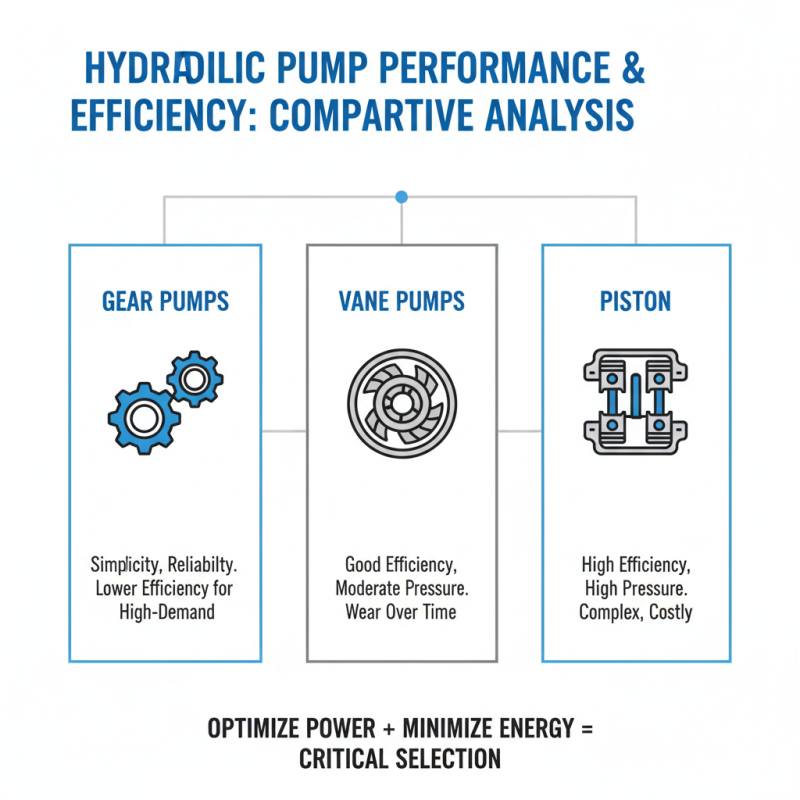
When selecting hydraulic pumps, performance and efficiency are critical factors. Buyers often seek pumps that optimize power delivery while minimizing energy consumption. Various designs, such as gear, vane, and piston pumps, offer distinct advantages. For instance, gear pumps are known for their simplicity and reliability. However, they may not always deliver the efficiency levels required in high-demand applications.

Efficiency in hydraulic pumps often relates to their operating conditions and design features. A pump’s displacement and pressure capability directly influence its performance metrics. High-pressure pumps typically exhibit better efficiency in specific applications, but they can also lead to higher energy costs. Understanding how to balance these factors can be daunting.

Another important aspect is maintenance. Regular checks and timely updates can enhance pump efficiency. Neglecting routine maintenance often compromises performance and longevity. Users should weigh the benefits of investing in high-quality pumps against anticipated operational costs. Each choice should reflect not just immediate needs, but also long-term operational goals. This deeper consideration can lead to more informed decisions in the hydraulic pump market.

Pricing Trends and Budgeting for Hydraulic Pumps in Different Regions

The hydraulic pump market is evolving. Different regions show varied pricing trends. In North America, prices range from $150 to $2,500. This reflects the demand in construction and manufacturing sectors. A recent industry report states that North America accounts for 35% of the global market share, driven by increased infrastructure projects.

In Europe, pricing tends to be higher, largely due to stricter regulations and quality standards. Reports indicate that prices there can go up to $3,000 for high-performance models. The European market demands reliability and efficiency.

In Asia-Pacific, however, prices are more competitive, with models starting as low as $100. This is encouraging growth in various industries like agriculture and machinery.

Budgeting for hydraulic pumps requires careful planning. Understanding local economic conditions is crucial. Fluctuations in raw material costs also affect prices. Buyers need to consider both initial investment and long-term operational costs. Overall, price sensitivity remains high in emerging markets, influencing purchasing decisions.

Customer Reviews and Feedback on Popular Hydraulic Pump Models

When choosing a hydraulic pump, customer reviews are invaluable. They provide real-world insights into how different models perform. A common theme among users is the need for longevity and efficiency. Many users prefer the Hydraulic Plunger Piston Pump for its reliable output and durability under pressure.

Some reviews highlight issues such as maintenance requirements. It's essential to consider that not all pumps are user-friendly in this aspect. Some customers wished they had read more about maintenance before making their purchase. Understanding how often a pump needs servicing can save time and money.

Tips for potential buyers include researching various models online. Engaging with users on forums can offer up-to-date insights. Look for detailed feedback on performance metrics, especially under heavy workloads. Be aware that cheaper options may not always deliver the best results. Reviews reveal that investing in a quality pump often pays off in the long run.

Future Innovations and Trends in Hydraulic Pump Technology

The Hydraulic Pump industry is undergoing significant transformations. Advancements in technology enhance efficiency and reliability. Manufacturers explore new materials and designs to meet future demands.

Innovations focus on energy efficiency. Smart hydraulic pumps integrate IoT technology for real-time monitoring. This increases operational efficiency and reduces maintenance costs. Enhanced sensors provide critical data, allowing operators to make informed decisions.

However, challenges remain. Adopting new technologies can be daunting for many companies. There's a learning curve associated with these innovations. Additionally, market fluctuations may affect the availability of components. Companies must adapt to these changes to remain competitive. The future of hydraulic pump technology looks promising, but navigating this landscape requires careful consideration.

Optimizing Efficiency: High-Performance VG Internal Gear Pumps for Advanced Servo System Applications

The VG series internal gear pumps represent a significant advancement in hydraulic technology, designed specifically to enhance efficiency in advanced servo system applications. Developed through a collaboration between a leading fluid power company and a prestigious university, these high-performance pumps leverage cutting-edge engineering principles to deliver outstanding reliability and performance.

Constructed with a keen focus on operational excellence, VG series pumps are built on a foundation of superior technology borrowed and improved from international benchmarks. The implementation of advanced production and testing equipment ensures that these pumps meet rigorous standards for pressure, noise reduction, and pulse stability. As a result, users can expect enhanced performance and longevity in demanding applications, making the VG series an invaluable asset for industries requiring precision and efficiency in their hydraulic systems.

With their innovative design and robust manufacturing processes, VG series internal gear pumps offer an ideal solution for those seeking to optimize performance in advanced servo mechanisms. The integration of high-efficiency features not only improves system output but also contributes to overall operational sustainability, reducing waste and energy consumption in the process.

FAQS

: What factors should I consider when selecting a hydraulic pump?

: Consider performance, efficiency, power delivery, and energy consumption.

How do pump designs impact performance?

Different designs, like gear and vane pumps, offer distinct advantages and limitations.

What is the relationship between efficiency and operating conditions?

Efficiency is influenced by design features, displacement, and pressure capability.

Why is maintenance important for hydraulic pumps?

Regular maintenance enhances efficiency and prolongs the pump's lifespan.

What feedback do users commonly express about hydraulic pumps?

Users frequently mention the importance of longevity and ease of maintenance.

How can I find accurate customer reviews for hydraulic pumps?

Research models online and join user forums for real-world performance insights.

Are cheaper hydraulic pumps a good choice?

Cheaper options may not perform well, and investing in quality is often beneficial.

What common mistakes do buyers make regarding pump maintenance?

Many overlook maintenance needs and regret not researching beforehand.

How can I make informed purchasing decisions for hydraulic pumps?

Balance immediate needs with long-term operational goals and consider user feedback.

What should I watch for in pumps under heavy workloads?

Look for detailed performance metrics, as some may fall short under pressure.

Conclusion

The article titled "2026 Best Hydraulic Pump Options for Global Buyers" explores key features and considerations when selecting hydraulic pumps for various applications across global markets. The types of hydraulic pumps are discussed, highlighting their suitability based on specific needs. Additionally, the article provides a comparative analysis of performance and efficiency, along with pricing trends that assist buyers in budgeting for hydraulic pumps in different regions.

Furthermore, customer reviews offer insights into popular hydraulic pump models, while the article also delves into future innovations and trends in hydraulic pump technology. This comprehensive overview aims to guide potential buyers in making informed decisions, ensuring they choose the best hydraulic pump options available in 2026.

Emma

Emma

Emma is a dedicated marketing professional at VICKS Intelligent Equipment, a wholly-owned subsidiary of Ningbo VICKS Hydraulic Co., Ltd. With 18 years of deep expertise in hydraulic technology, Emma possesses an exceptional understanding of the company’s innovative products, particularly the vg......
Previous How to Choose the Right Hydraulic Vane Pump for Your Needs?