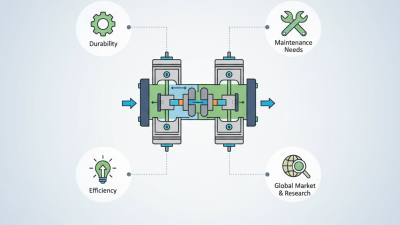
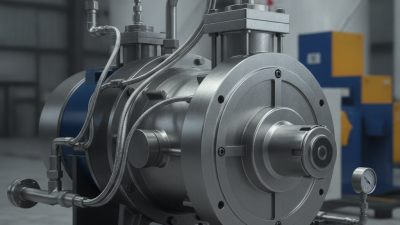
As we get closer to 2026, the Piston Pump industry is really going through some big changes that could totally shake things up for buyers around the world. Industry expert John Reynolds, CEO of Hydraulic Solutions Inc., puts it simply: "Adapting to new technology is more important than ever in the Piston Pump world." That really captures the urgency for manufacturers to step up their game, innovate, and keep up with what customers are asking for nowadays.
One of the hottest trends right now is the rise of smart technology. More companies are jumping on the bandwagon with automation and digital tools, making their systems faster, smarter, and more efficient. Plus, real-time data analytics are becoming a game-changer. But, honestly, not everyone is moving at the same pace—some are still clinging to old-school systems, which could hold them back in terms of growth. As you might expect, staying modern and open to new tech is pretty much non-negotiable if you want to stay competitive in this space.
Then there’s the whole sustainability thing. Customers are now more aware and concerned about their environmental impact. They want energy-efficient products that waste less and do more. The tricky part? Balancing top-notch performance with being eco-friendly isn’t always easy, and some manufacturers really struggle to find that sweet spot. In this ever-changing landscape, it’s clear that everyone—whether you’re making pumps or buying them—needs to stay proactive, keep learning, and adapt. The journey towards getting better isn’t just a one-time thing; it’s an ongoing process that demands constant attention and flexibility.

Emerging Trends in Piston Pump Technology for 2026
In 2026, the Piston Pump industry is poised for significant evolution. Emerging technologies are reshaping how these pumps operate. Increased energy efficiency is a primary focus. Manufacturers are exploring advanced materials and designs that reduce friction and energy loss. This shift enhances overall performance while minimizing operational costs.
Smart technology integration is another key trend. Sensors embedded in piston pumps allow for real-time monitoring. This capability enables predictive maintenance, reducing breakdowns and improving reliability. Yet, there are challenges. Not all companies can adopt these technologies due to costs and training needs.
Sustainability remains crucial. Companies are pressured to create eco-friendly piston pump solutions. Biodegradable materials and energy-efficient designs are essential to meet regulatory standards. The path to innovation is not easily navigated. Many businesses must reassess their strategies to stay competitive in this changing landscape.
Market Analysis: Global Demand and Supply Dynamics
The global demand for High Pressure Piston Pumps continues to evolve. Factors include increasing industrial activities and the need for efficient fluid handling. Countries with growing manufacturing sectors show significant interest in these pumps. This shift affects supply chains and pricing strategies, creating a dynamic market landscape.
Tips: Investing in market research can pay off. Understanding regional demands will improve procurement decisions.
As industries adopt modern technologies, high pressure piston pumps must meet new challenges. Their reliability is crucial in sectors like construction and oil & gas. However, buyers should be aware of potential supply issues. Fluctuations in raw material availability can impact production schedules.
Tips: Diversifying suppliers could mitigate risks. Relying on a single source may limit flexibility.
Looking ahead, the need for energy-efficient solutions will drive innovation. Manufacturers must prioritize developing more sustainable options. Balancing performance and environmental responsibility will be vital for future success in the high pressure piston pump sector.
Innovations in Piston Pump Design and Efficiency
The piston pump industry is witnessing a wave of innovation, particularly in design and efficiency. Advances in materials are improving durability and performance. Engineers are increasingly leveraging composite materials that reduce weight while enhancing strength. This transformation results in pumps that can operate under higher pressures with lower energy consumption.
Efficiency is crucial in today’s environmentally conscious market. New designs incorporate features like variable displacement and integrated sensors. These allow for real-time adjustments based on demand, minimizing waste. Digital controls are making it easier to fine-tune operations for maximum output. However, adapting to these technologies requires significant investment and training. Some companies struggle to keep pace, creating a gap between those who innovate and those who lag.
The integration of smart technology is also making waves. Predictive maintenance features can foresee issues before they occur. This reduces downtime and boosts reliability. Despite these benefits, the implementation phase can be daunting. Not all facilities have the infrastructure to support advanced systems. As the industry moves forward, balancing innovation with accessibility remains a challenge.
Sustainability Practices in Piston Pump Manufacturing
Sustainability in piston pump manufacturing is critical. Many manufacturers focus on reducing their carbon footprint. They aim to use less energy during production. This shift not only helps the environment but also cuts costs.
Innovative materials are becoming essential in this industry. Recycled components are gaining attention. Using these materials can reduce waste significantly. However, the challenge lies in maintaining quality and performance. Some companies struggle with consistency. Careful selection and testing of materials are required.
Water conservation is another focus area. Efficient cooling systems in the manufacturing process help minimize water usage. Yet, not all facilities implement these systems universally. This inconsistency can lead to excess waste. Regular assessments of water conservation strategies are necessary for improvement. Sustainable practices should remain a priority as the industry evolves.
Key Players and Competitive Landscape in the Piston Pump Market
The piston pump market is evolving rapidly. Key players are focusing on innovation and efficiency. High Precision Piston Pump technology is gaining traction. Many manufacturers are investing in R&D. This trend is driven by increasing demand for accuracy in fluid transfer applications.
Networking with industry experts is crucial. Collaborate with engineers and developers to understand market needs. Engage in discussions that explore the latest advancements. Attend trade shows to view emerging technologies firsthand. This can provide valuable insights into competitive dynamics.
Another aspect to consider is the competitive landscape. Piston pump manufacturers are adopting various strategies to stand out. This includes enhancing product reliability and performance. While many companies claim superior quality, not all deliver as promised. Stay vigilant and ask for performance data before committing. Gather feedback from current users to make informed decisions.
Challenges and Opportunities for Buyers in 2026
The landscape of piston pump procurement in 2026 presents both challenges and opportunities for global buyers. As industries increasingly turn to automation, the demand for advanced piston pump technology continues to rise. Buyers may struggle with the rapid pace of innovation. Staying updated on new technologies can be challenging yet essential.
Many suppliers may face difficulties in meeting the specific needs of diverse sectors. Customization demands are growing, and flexibility is crucial. Buyers must navigate this landscape with a clear understanding of their requirements. The goal is to balance costs while ensuring performance efficiency.
Additionally, supply chain disruptions may pose significant hurdles. Global events can impact the availability of materials. Buyers need to cultivate strong relationships with suppliers to mitigate these risks. Proactive communication can lead to better solutions. This evolving scenario calls for strategic planning and adaptability.
Future Prospects: Predictions for Piston Pump Market Growth
The piston pump market is poised for significant growth in the coming years. Innovations in hydraulic technology, particularly the
Hydraulic Plunger Piston Pump,
will drive this evolution. These pumps are becoming essential in various sectors, including manufacturing and construction. Their efficiency and compact design
make them favorable for global buyers.
Sustainability is a crucial factor shaping future trends. As industry shifts focus, manufacturers are emphasizing
eco-friendly designs. These advancements include energy-efficient models and reduced material waste. However, not all companies are ready for this change. Some still rely on
traditional practices, which may hinder their market competitiveness.
Investment in research and development is vital. Companies must prioritize innovation to meet emerging consumer demands. The rise of automation
in piston pump manufacturing presents both opportunities and challenges. It's clear that the landscape is changing rapidly. Those who adapt will thrive,
while others might fall behind.
Optimizing Industrial Efficiency: The Benefits of Rexroth Series LA4VSO Series Equivalent Replacement Hydraulic Piston Pumps
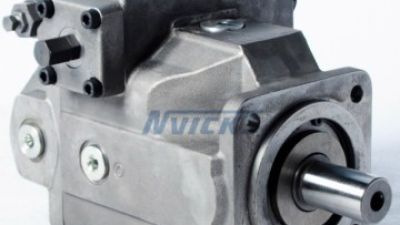
In industrial applications, optimizing hydraulic systems for enhanced efficiency is crucial for improving overall productivity and reducing operational costs. The Rexroth Series LA4VSO equivalent replacement hydraulic piston pumps present a significant opportunity for industries seeking to maximize performance in open loop circuits. These axial piston variable pumps are specifically designed to deliver high pressure and flow rates while maintaining energy efficiency, making them ideal for various hydraulic drives.
Recent industry reports indicate that the use of advanced hydraulic technology can lead to efficiency gains of up to 30% in energy consumption. By replacing older or less efficient models with high-performance alternatives like the LA4VSO series, manufacturers can achieve substantial reductions in energy costs. Furthermore, the optimized design of these hydraulic piston pumps allows for seamless integration into existing systems, thereby reducing downtime during implementation.
Additionally, utilizing variable displacement technology provides greater control over hydraulic operations, allowing for precision in flow management and load handling. Studies suggest that systems employing variable displacement hydraulic pumps enhance operational flexibility, responding more effectively to fluctuating demands. As industries increasingly focus on sustainability and cost-effectiveness, the adoption of high-efficiency hydraulic solutions such as the LA4VSO equivalent pumps is likely to play a pivotal role in the future of industrial operations.
FAQS
: Key trends include increased energy efficiency and smart technology integration for better monitoring.
Energy efficiency reduces operational costs and enhances overall performance. This is a major focus for manufacturers.
Smart technology like embedded sensors allows real-time monitoring, enabling predictive maintenance and improving reliability.
Yes, costs and employee training are significant barriers to adopting these advanced technologies.
Companies are pressured to develop eco-friendly solutions, like biodegradable materials and energy-efficient designs.
Many businesses still use traditional practices, making it hard to stay competitive amid changing regulations.
Investment in research allows companies to innovate and meet new consumer demands while adapting to market changes.
Automation offers opportunities for efficiency but also poses challenges in terms of workforce retraining and adaptation.
Sectors like manufacturing and construction are significant drivers due to the efficiency of new pump designs.
Companies that do not adapt may fall behind in a rapidly evolving market landscape.
Conclusion
The article "2026 Top Piston Pump Trends for Global Buyers Insights" explores the emerging trends in piston pump technology that are expected to shape the market in 2026. It highlights the growing global demand and supply dynamics, emphasizing how innovations in design and efficiency are transforming the industry. Additionally, the article discusses the sustainability practices in piston pump manufacturing, demonstrating the sector's commitment to environmental responsibility.
As key players navigate a competitive landscape, challenges and opportunities for buyers are examined, providing insights into potential market growth. The future prospects for the piston pump market are optimistic, with predictions indicating continued advancements that will meet the evolving needs of global buyers. Overall, understanding these trends is essential for stakeholders looking to make informed decisions in the piston pump market.