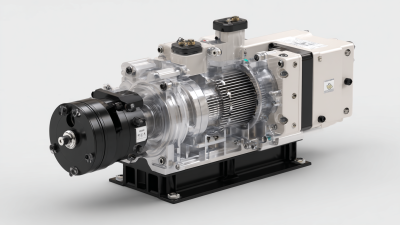
When it comes to industrial pumps, the Rotary Vane Pump really stands out thanks to its efficiency and dependability. James Carter, who’s pretty well-known in the fluid dynamics world at FluidTech Industries, once pointed out, “Picking the right pump can save you money — and a ton of time too.” Honestly, that really hits home because choosing the right rotary vane pump can make all the difference for your projects.
These pumps are pretty versatile and are used in all kinds of industries, from automotive to food processing. They're known for being able to handle a wide variety of fluids, which is a huge plus. But here’s the thing — not all Rotary Vane Pumps are exactly the same. The market is packed with options, so it’s really important to understand what you actually need. Skipping over a small detail during your selection process could lead to performance hiccups or unexpected costs later on.
As you dig into reviews and buying guides for 2026, keep in mind that the decision isn’t just about looking at specs. Think about things like how much maintenance they need and whether they match your operational capacity. The right choice in a Rotary Vane Pump can seriously boost your efficiency and streamline your processes, so it’s a decision worth giving some thought to.
Rotary vane pumps are essential devices widely used in various industries. They operate by using rotating vanes to create a vacuum or pressure. This makes them suitable for applications like transferring liquids, compressing gases, and even in air conditioning systems. Many industries benefit from the efficiency of these pumps. However, their performance can vary based on specific conditions and maintenance practices.
One key application is in automotive service. Here, these pumps efficiently extract fluids from engines. They help maintain cleanliness and performance. In the chemical industry, rotary vane pumps ensure safe transport of solvents. However, incorrect usage might lead to leaks or inefficiencies. Another common use is in medical devices, where precision is critical. Even slight malfunctions can have serious implications.
Rotary vane pumps require regular checks. Over time, wear and tear can affect efficiency. Users should monitor performance to ensure they meet specific needs. The choice of pump also matters. Different models cater to varying applications. Finding the right fit can be challenging. Each situation may require a unique solution to optimize results.
When selecting a rotary vane pump, several key features warrant your consideration. Efficiency is paramount. Studies show that an efficient Oil Rotary Vane Pump can maximize performance, ensuring optimal flow rates. A pump's capacity directly affects its usage. You’ll need to assess if it meets your operational requirements.
Next, consider the material composition. A robust design can enhance durability. Many high-quality pumps use materials resistant to wear and tear. This robustness contributes to a longer lifespan, saving you replacement costs. However, not all pumps offer the same level of resistance.
Noise level is another important aspect. A quieter operation is often preferred. According to recent industry reports, users face complaints about noise pollution in various environments. It’s vital to consider where the pump will be used. If it's in a work environment, excessive noise may hinder productivity. Balancing noise control with performance can be challenging but essential.
When looking for the best rotary vane pumps in 2026, understanding the leading brands is essential. Industry reports indicate that the market for rotary vane pumps is projected to grow significantly. By 2026, the demand may reach approximately $2 billion globally. This growth emphasizes the importance of quality in selecting a pump.
Many top manufacturers focus on efficiency and durability. There are models that offer operating pressures between 0.5 and 25 bar. Such variations allow for diverse applications across different sectors. Some models can run continuously, but not all can withstand prolonged use. Many users report challenges with maintenance and replacement parts, which can affect long-term performance.
Noise levels can also be a concern. Some pumps operate quietly, while others produce undesirable sounds. Performance metrics show that sound levels can range from 60 to 80 decibels. Buyers should consider these aspects closely. An informed choice will not only meet operational needs but also address ongoing maintenance efficiently.
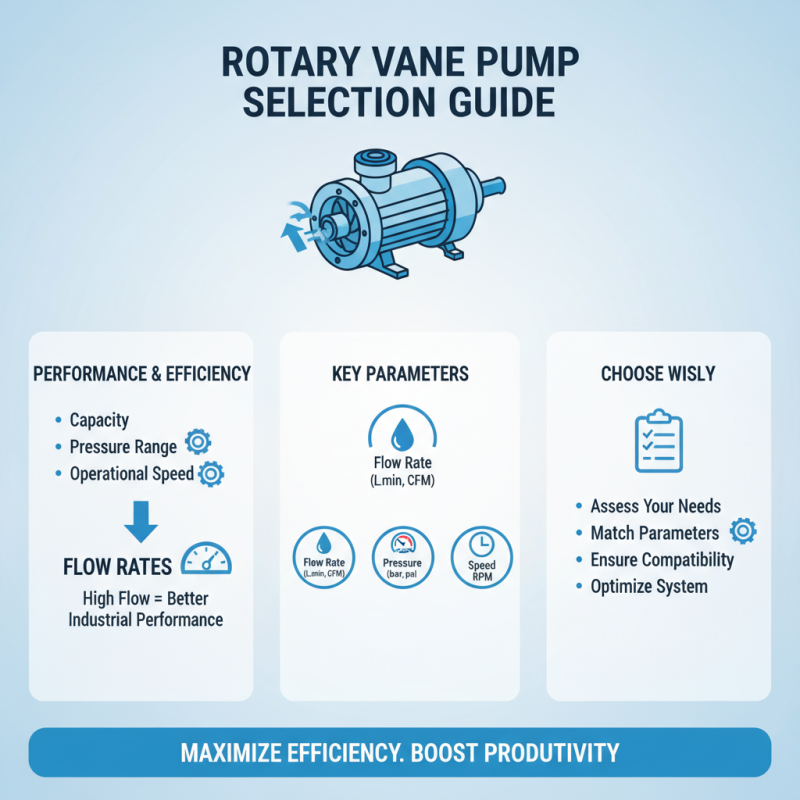
When choosing a rotary vane pump, performance and efficiency remain critical. Different models exhibit varying capacities, pressure ranges, and operational speeds. Understanding these parameters can help in selecting the right pump for your needs. Take note of flow rates, as they significantly impact the system's overall efficiency. High flow rates usually lead to better performance in industrial applications.
However, not all high-performance pumps operate efficiently. Some may consume excessive energy, leading to increased operational costs. It's important to consider energy-saving features along with performance metrics. For instance, a pump that operates at high speeds might deliver excellent flow rates but may require more maintenance. Another concern is noise levels. Some models can be quite loud, which might not suit quieter environments.
Efficiency can also be affected by the design of the pump. Innovative designs often enhance performance while minimizing drawbacks. Punctuated by maintenance requirements, users should reflect on ease of servicing. A pump that is hard to maintain may cause downtime, offsetting any benefits gained from high performance. Balancing performance with these factors can result in a more sustainable operation. Always keep efficiency in mind; it's not just about how well a pump runs, but how well it suits your operational needs.
Maintaining a rotary vane pump is essential for optimal performance. Regular checks can reduce downtime and improve efficiency. According to industry reports, proper maintenance can extend the lifespan of these pumps by up to 30%. A common mistake is neglecting lubrication. Ensure that lubricant levels are always adequate. The right oil can enhance performance and prevent breakdowns.
Tips for maintenance include checking for leaks frequently. Leaks may indicate wear on the vanes or seals. It's crucial to address these issues promptly. Additionally, inspect the air filter regularly. A clogged filter can lead to inefficient operation. Always replace worn components based on usage. Improper parts can cause further damage.
Another significant factor is monitoring the pump’s temperature. Excessive heat can lead to premature wear. Try to keep operating temperatures within the manufacturer's recommended range. Document any unusual sounds during operation. Odd noises may signal underlying problems. Keeping track of these signs can save money in the long run.
Utilizing a Rotary Vane Hydraulic Pump is effective when well-maintained. But remember, even slight neglect can lead to bigger issues. Taking these maintenance steps seriously can ensure longevity and efficiency.
Rotary vane pumps are essential in various industrial applications. However, users frequently encounter issues that can affect performance. Common problems include insufficient airflow and noise during operation. These symptoms often indicate mechanical wear or improper installation. According to industry reports, around 30% of rotary pump failures are due to user-related factors. It's crucial to regularly inspect the pump for signs of degradation.
When troubleshooting a Dual Stage Rotary Vane Pump, start by checking the intake and exhaust ports. Blockages or restrictions here can severely limit the efficiency. Additionally, ensure that the motor is not running at an incorrect voltage. An improper voltage supply can lead to reduced power and increased noise levels. By addressing these factors, users can often resolve issues without extensive repairs.
It's important to note that even well-maintained pumps can experience unexpected failures. For instance, a resealing of the rotors might be necessary after extensive usage. Users should be prepared for these eventualities. Regular maintenance, such as cleaning and lubrication, plays a vital role in extending the life of the equipment. A proactive approach can reduce the frequency of malfunctions and ensure consistent performance.
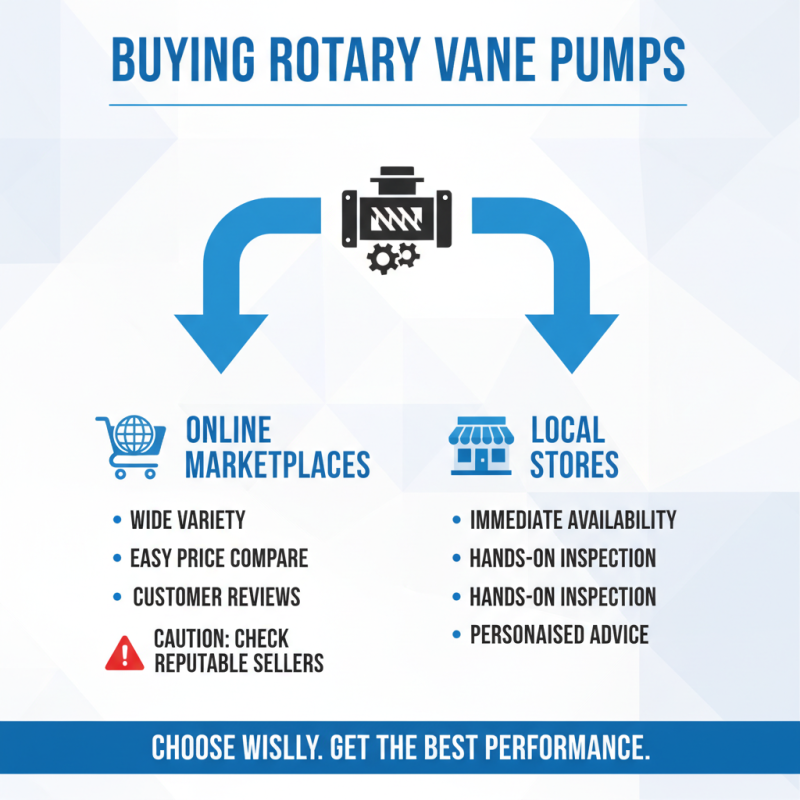
When looking to purchase the best rotary vane pumps, consider where to buy them. Many options are available online and in local stores. Online marketplaces often offer a wide variety. You can compare prices and read customer reviews easily. However, be cautious. Some listings may not provide accurate information. Look for reputable sellers.
Local hardware stores are another option. Visiting them allows you to see the pumps in person. You can ask staff for advice and get a feel for different models. Trying out a Two Stage Rotary Vane Pump firsthand can help you determine its build quality. Sometimes, however, local options can be limited in selection. Be prepared for that possible disappointment.
Additionally, specialized suppliers may carry unique models. They might offer in-depth knowledge about rotary vane pumps. This can sometimes lead to a better purchase decision. Remember, not every supplier is reliable. Double-check reviews and their return policies. Knowledge is key when making a purchase.
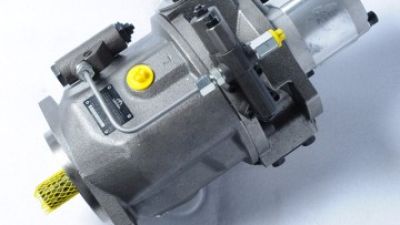
The LA10V31 series hydraulic pump piston pump represents a significant advancement in industrial applications, leveraging market trends that prioritize efficiency and performance. Designed with a variable displacement mechanism, this pump utilizes an axial piston rotary group that employs a swash-plate design, ideal for hydro-static drives in open circuits. The innovative design allows for flow proportional to drive speed and displacement, creating a versatile solution for various operational demands.
One of the standout features of the LA10V31 series is the ability to infinitely adjust the flow through swash-plate angle modification. This adaptability ensures optimal performance across different industrial environments, contributing to increased overall efficiency. Additionally, the pump is equipped with hydro-statically unloaded cradle bearings, which enhance longevity and reduce maintenance needs. The low noise level and reduced pressure pulsation further enhance the user experience, making it suitable for noise-sensitive applications.
High efficiency and robust resistance to cavitation greatly improve the pump's reliability, even under challenging conditions that may impose suction pressure drops and housing pressure peaks. Furthermore, the universal through drive capability adds to its versatility, enabling seamless integration into existing systems. As industries strive for improved operational efficiencies, the LA10V31 series stands out as an exemplary choice for modern hydraulic power solutions.
: Focus on efficiency, capacity, and material. These factors affect performance and durability.
Regular maintenance is key. Check lubrication levels and inspect for leaks frequently.
A quieter pump is often preferable. Excessive noise can disrupt work environments.
Monitor lubricant levels, inspect air filters, and check for leaks regularly.
Look for insufficient airflow or unusual noises. These signs often indicate mechanical wear.
Start by checking intake and exhaust ports for blockages. Ensure the motor operates at correct voltage.
Be prepared for maintenance, like resealing rotors, after extensive usage.
Consistent cleaning and lubrication can prevent breakdowns and prolong equipment life.
High-quality materials resist wear and tear, enhancing the pump's lifespan.
Regular inspections and addressing issues promptly can prevent larger problems.
Rotary vane pumps are essential devices widely utilized in various industries for their efficient performance in transporting fluids and gases. This article provides a comprehensive overview of rotary vane pumps, highlighting their applications across different sectors, as well as the key features to consider when selecting the right pump. It also offers insights into the top brands and models anticipated for 2026, emphasizing comparative analysis of their performance and efficiency.
In addition to product recommendations, the article addresses crucial maintenance tips to ensure optimal operation and longevity of rotary vane pumps. It emphasizes common issues users may encounter, along with troubleshooting techniques to resolve them effectively. Finally, a detailed buying guide is provided, directing readers on where to purchase the best rotary vane pumps, ensuring they make informed decisions based on their specific needs.