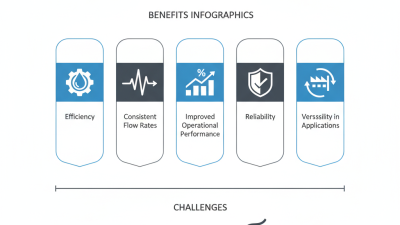
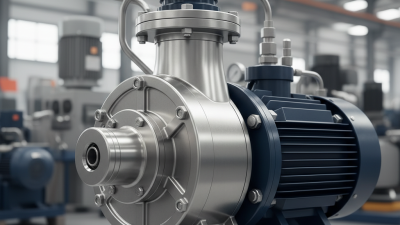
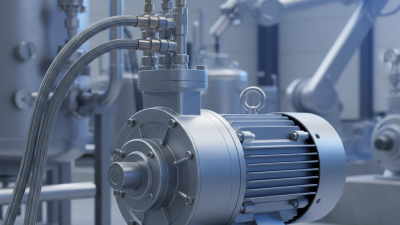
In the world of industrial machinery, you’ll definitely notice the Oil Vane Pump really stands out when it comes to efficiency and dependability. A lot of buyers from around the globe are on the lookout for the best options that fit their specific needs. A solid Oil Vane Pump can really boost how well things run — offering steady flow and pressure across different applications. Big names like SCHNEIDER and INGERSOLL RAND have built a reputation as leaders because they’re so committed to quality and performance.
Picking the right Oil Vane Pump isn’t just about grabbing the first one that looks good. You gotta understand the technical stuff—like what specifications matter most—and get a feel for the market conditions. Things like energy use, how much maintenance it needs, and of course, the price—they all come into play. Since there’s quite a bit of variety out there, not every pump will be perfect for every industry. Doing some research on different manufacturers can really shed light on what makes some models better than others.
That said, it’s also super important to keep an eye out for potential downsides. Not every Oil Vane Pump will perform equally well in all situations. Some might have a hard time with high temperatures, or when dealing with abrasive materials. So, weighing the pros and cons—and maybe chatting with experts—can help you find the best fit. Taking the time to do detailed assessments really pays off in terms of long-term reliability and efficiency.
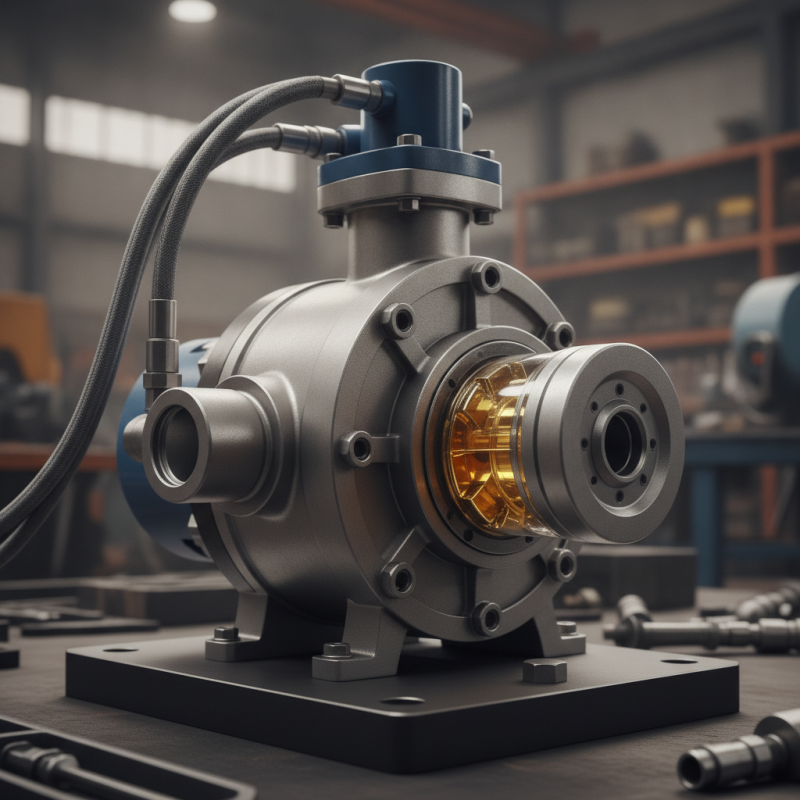
Overview of Oil Vane Pumps: Definition and Functionality
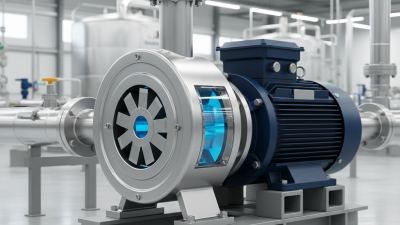
Oil vane pumps are essential devices in various industrial applications. They operate using a rotor that rotates inside a cavity, creating a vacuum or pressure. This design allows them to transfer oils and other fluids efficiently. These pumps are known for their reliability and durability, which makes them popular in sectors like automotive and manufacturing.
The functionality of an Oil Rotary Vane Pump hinges on its ability to adapt to different operating conditions. It efficiently manages a wide range of viscosities. This adaptability ensures that the pump maintains performance even in fluctuating temperatures. However, it is important to monitor their wear and tear. Regular maintenance is critical for optimal performance, as neglect can lead to inefficiencies.
While oil vane pumps are typically robust, issues can arise from improper installation or inadequate lubrication. Understanding these challenges is vital for ensuring longevity. Buyers must be aware of these factors when considering an oil rotary vane pump. Knowledge of how these pumps function will help users make informed decisions, resulting in better operational efficiency.
Key Applications of Oil Vane Pumps in Various Industries
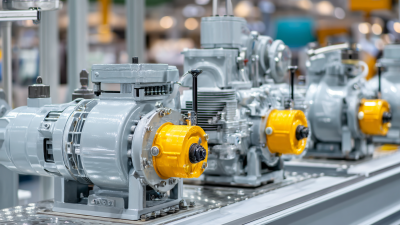
Oil vane pumps play a crucial role in various industries due to their efficiency and reliability. These pumps are widely used in automotive systems, hydraulic applications, and manufacturing processes. Their ability to maintain a consistent flow makes them ideal for lubrication and hydraulic power transmission. In automotive applications, they ensure that engines run smoothly, reducing wear and tear. Despite their advantages, some users report challenges with maintenance and fluid compatibility.
In the manufacturing sector, oil vane pumps are essential for equipment like CNC machines. They provide the necessary lubrication for optimal performance. However, the choice of oil is critical. Using the wrong type can lead to pump failure. Many buyers overlook this aspect, leading to higher long-term costs.
Additionally, oil vane pumps find applications in food processing and chemical industries. They transport viscous fluids, ensuring safety and efficiency. Still, users must remember that not all pumps suit every application. It's important to consult with experts when selecting a pump for specific needs. Making informed choices can minimize operational issues in the long run.
2026 Best Oil Vane Pump Guide for Global Buyers
| Application Industry |
Key Features |
Typical Operating Pressure |
Flow Rate Range |
Common Materials |
| Automotive |
High efficiency, low noise |
0.5 to 6 bar |
10 to 200 L/min |
Aluminum, Bronze |
| Oil & Gas |
Durability, corrosion resistance |
2 to 10 bar |
50 to 300 L/min |
Stainless Steel, Cast Iron |
| Chemical Processing |
Adaptability to various fluids |
1 to 8 bar |
20 to 150 L/min |
Plastic Composites, stainless steel |
| Food & Beverage |
Hygienic design, easy cleaning |
0.5 to 5 bar |
5 to 100 L/min |
Food-grade materials |
| Hydraulics |
High power output, compact design |
1 to 12 bar |
30 to 250 L/min |
Cast Iron, Aluminum |
Factors to Consider When Choosing an Oil Vane Pump
When selecting an oil vane pump, several factors play a crucial role. Understanding the operational environment is vital. For instance, a Vane Oil Pump must handle various temperatures and pressures specific to your application. A recent report from TechNavio indicated that nearly 30% of pump failures result from unsuitable operating conditions. This data emphasizes the need for careful evaluation.
Another essential element to consider is the pump's efficiency. Efficiency ratings can fluctuate significantly across different models. According to industry research, a high-quality vane oil pump can achieve up to 90% efficiency, while lower-quality pumps may fall below 70%. Not only does this impact operational costs, but it also affects maintenance intervals. A poorly performing pump could lead to unexpected downtime and increased repair expenses.
Finally, ensure the material compatibility of the pump components. Chemical interactions can degrade pump longevity. Many failures arise from material choices that are not suitable for specific oils. Data shows that around 15% of pump issues can be traced back to material incompatibility. Awareness of these factors is crucial for making informed decisions.
Top Manufacturers of Oil Vane Pumps in 2026
When exploring the best oil vane pumps in 2026, understanding the key manufacturers is crucial. Many companies are pushing the boundaries of technology and efficiency. They aim to deliver reliable solutions for diverse industrial applications. High-quality materials and innovative designs set top manufacturers apart. This ensures durability and performance in challenging environments.
In this competitive landscape, buyers should consider several factors. The production process, customer support, and availability of spare parts are essential. Some manufacturers excel in specific areas, but lack in others. This inconsistency can lead to unexpected challenges. Quality control practices vary significantly, impacting the overall reliability of oil vane pumps. Hence, research is vital before making a purchase.
Economic considerations also play a role. Prices fluctuate based on market conditions, affecting buyer choices. A high price does not always guarantee superior quality. Conversely, lower-cost options may perform remarkably well. It is important to balance cost and reliability. This ongoing quest for the best product requires careful evaluation and sometimes, a little trial and error.
Maintenance and Troubleshooting for Oil Vane Pumps
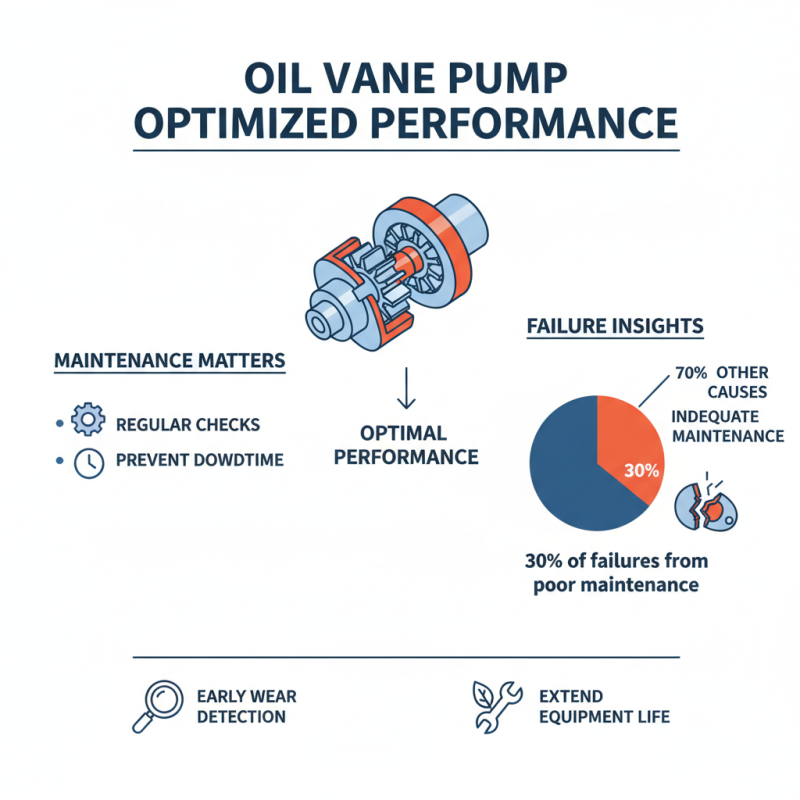
Maintenance of oil vane pumps is critical for optimal performance. Regular checks can prevent costly downtime. Oil vane pumps operate using rotating vanes, which can wear down over time. According to industry reports, 30% of pump failures stem from inadequate maintenance practices. Identifying signs of wear early can save resources and extend equipment lifespan.
Troubleshooting issues requires a systematic approach. Common problems include unusual noise and vibration. These can indicate misalignment or worn vanes. Professionals recommend monitoring operating temperatures closely. Elevated temperatures may suggest insufficient lubrication or impending failure. Data shows that 20% of Vane Type Oil Pump failures are due to overheating. Ensuring proper lubrication levels is essential for maintaining efficiency.
In addition, performing routine inspections helps identify potential leaks. Leak detection should not be overlooked. Even small leaks can lead to severe performance loss. The oil pressure should be monitored regularly too. This practice can help detect issues early, ensuring your vane type oil pump continues to operate effectively. Remember, proper maintenance and troubleshooting are vital for any oil vane pump’s reliability.
Global Market Trends and Pricing Analysis for Oil Vane Pumps
The global market for oil vane pumps is evolving rapidly. Buyers need to understand current trends to make informed decisions. Price fluctuations are common due to supply chain challenges and material costs. As demand for efficient machinery grows, manufacturers are pushing for innovation. Cost efficiency is essential for businesses aiming to maximize profits.
Understanding the pricing landscape involves considering various factors. Region-specific demand and economic stability can greatly affect Oil Pump prices. In some regions, infrastructure investments drive higher sales. However, areas with political instability may see price volatility. Current market dynamics suggest that buyers should remain agile. Staying informed about changing technologies is also crucial for future purchases.
Throughout this landscape, some buyers may struggle with decision-making. It's common to feel overwhelmed by the variety of options available. Some may overlook the importance of maintenance and operational costs. Buyers need to reflect on their specific needs and long-term goals. Knowing when to invest in advanced technology can lead to significant cost savings down the line.
Future Innovations and Developments in Oil Vane Pump Technology
As the demand for efficient and reliable pumping solutions grows, the oil vane pump industry is experiencing significant advancements. Innovations in materials and design are paving the way for enhanced performance. Recent reports indicate that oil vane pumps can achieve efficiencies exceeding 90%, a remarkable figure in fluid transfer technology. This increase in performance is largely attributed to the development of high-strength composites and optimized rotor geometries.
Moreover, the integration of smart technologies is becoming a game-changer. Many manufacturers are now exploring IoT capabilities within pump systems. Real-time monitoring can enhance reliability and prevent failures. According to the Global Oil Vane Pump Market Analysis from 2022, the incorporation of predictive maintenance could reduce downtime by nearly 30%. However, integrating these technologies into existing infrastructure may require more investment and time than anticipated.
Sustainability is another critical focus for future developments. Reports show that the oil and gas industry accounts for about 15% of total global carbon emissions. Innovative designs now aim to lower energy consumption and minimize environmental impact. Yet, balancing performance improvements while adhering to environmental regulations remains a challenge. Understanding these complexities is crucial for stakeholders looking to make informed purchasing decisions.
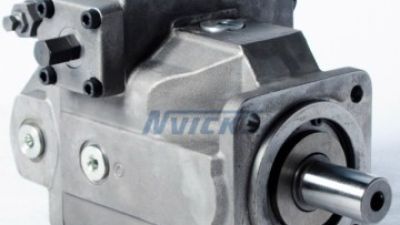
Optimizing Fluid Power Systems: The Advantages of Rexroth Series LA4VSO Equivalent Replacement Hydraulic Piston Pumps
In the dynamic field of hydraulic systems, optimizing fluid power efficiency is crucial for enhancing productivity and performance. The adoption of axial piston variable pumps has emerged as a leading solution in this mission. These pumps are specifically designed for hydraulic drives in open loop circuits, making them versatile for various applications. Their ability to adjust flow and pressure according to the demands of the system ensures that energy consumption is minimized while maximizing output efficiency.
The advantages of utilizing high-quality hydraulic piston pumps are manifold. They provide exceptional control over fluid movement, allowing operators to tailor the performance characteristics of their systems. With features such as variable displacement, they can adapt to changing operational requirements, thereby improving overall system responsiveness. Furthermore, the engineering behind these pumps emphasizes reliability and longevity, reducing maintenance costs and downtime, which are critical factors in industrial settings. By integrating advanced hydraulic piston pumps into fluid power systems, businesses can experience a marked increase in both efficiency and operational effectiveness.
FAQS
: Oil vane pumps are crucial for automotive systems, hydraulic applications, and manufacturing processes.
Using the wrong fluid can lead to pump failure and increased maintenance costs.
Evaluate the operational environment, efficiency ratings, and material compatibility before choosing a pump.
Users often face challenges due to improper fluid choices or unsuitable operating conditions.
Innovations focus on materials, design, and smart technologies for better efficiency and performance.
Higher efficiency lowers energy costs, reduces downtime, and minimizes repair expenses.
New designs aim to reduce energy consumption and carbon emissions in the pumping industry.
It enhances reliability and can reduce downtime through predictive maintenance strategies.
Integration may require significant investment and time, which could complicate existing systems.
Experts can help users understand specific needs and avoid costly mistakes in pump choice.
Conclusion
The article titled "2026 Best Oil Vane Pump Guide for Global Buyers" provides a comprehensive overview of oil vane pumps, outlining their definition, functionality, and the key applications across various industries. It emphasizes the importance of considering several factors when selecting an oil vane pump, such as performance requirements, efficiency, and industry-specific needs.
In addition, the guide discusses the leading manufacturers in the oil vane pump market for 2026, alongside essential maintenance tips and troubleshooting techniques to ensure optimal performance. It also explores global market trends and pricing analysis, offering insights into the future innovations and developments in oil vane pump technology, which are expected to enhance efficiency and functionality in diverse applications.